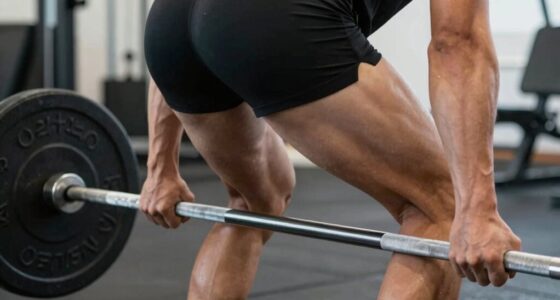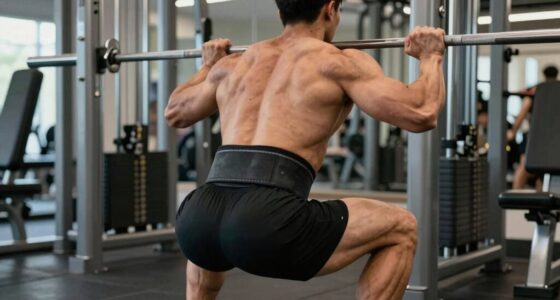
To lift hard without joint drama, focus on joint-friendly exercises like resistance bands, water activities, and bodyweight moves such as step-ups and wall sits. Maintain proper technique with slow, controlled movements and avoid pushing through pain. Incorporate warm-ups, cool-downs, and gradual intensity increases to prevent strain. Using the right equipment and prioritizing muscle engagement helps protect your joints while building strength. Keep going to discover more ways to train safely and effectively.
Key Takeaways
- Use low-impact exercises like resistance bands and bodyweight movements to build strength while minimizing joint stress.
- Prioritize proper technique with slow, controlled movements to prevent joint strain and promote safety.
- Incorporate functional exercises that mimic daily activities, improving strength without overloading joints.
- Gradually increase workout intensity and include warm-up and cool-down routines to support joint health and recovery.
- Focus on muscle engagement and mindful pacing to lift effectively without causing joint discomfort or injury.
If you’re looking to build strength without stressing your joints, a joint-friendly strength session is the perfect solution. You want to challenge your muscles, but you also need to protect your joint health and prevent injury. Fortunately, there are effective ways to do both. Prioritizing joint-friendly exercises helps you avoid unnecessary strain and keeps you moving forward toward your fitness goals without setbacks. By focusing on proper technique, suitable equipment, and mindful pacing, you can create a workout that’s both safe and effective.
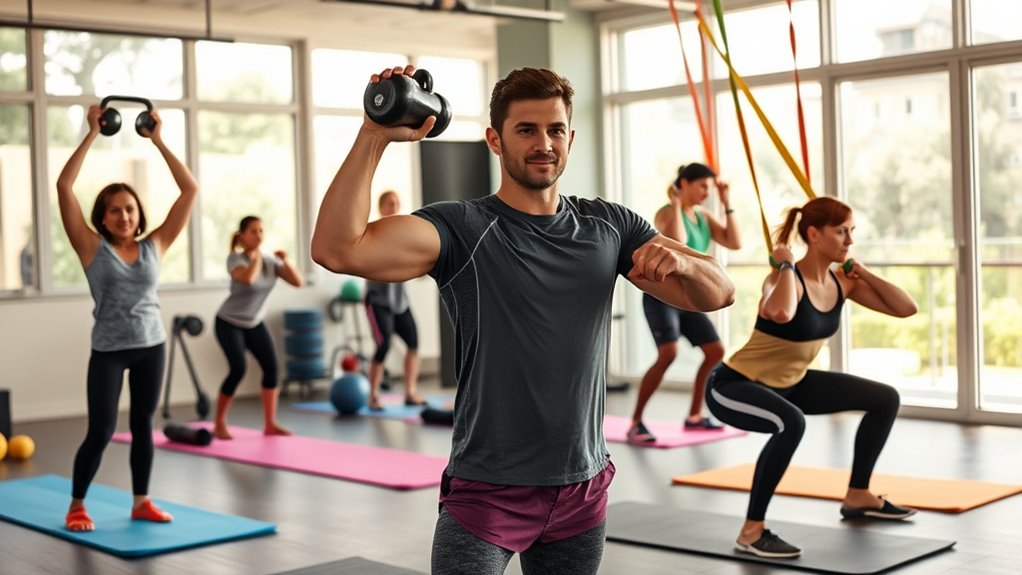
One of the key strategies for a joint-friendly workout is choosing low-impact movements that still engage your muscles deeply. Exercises like resistance band work, bodyweight movements, or water-based activities minimize joint stress while providing enough resistance to build strength. For example, instead of traditional squats with heavy weights, consider step-ups or wall sits, which target the same muscle groups but with less pressure on your knees and hips. Incorporating these modifications reduces the risk of injury and preserves your joint health over time.
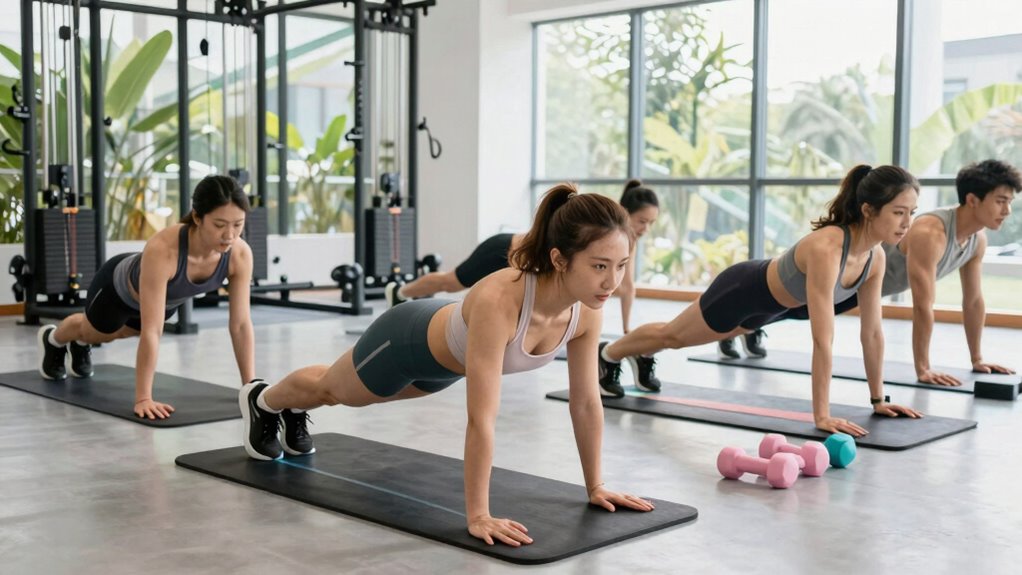
Another essential aspect is paying close attention to your form. Proper technique ensures that your joints aren’t subjected to undue stress. Keep your movements slow and controlled, focusing on engaging the correct muscles rather than rushing through reps. For instance, when doing push-ups or plank variations, maintain a neutral spine and avoid overextending your wrists or shoulders. By doing so, you’re actively preventing injuries that often occur from improper alignment or overexertion.
Using appropriate equipment can also make a big difference. Resistance bands, for example, allow for smooth, controlled movements that are gentle on your joints. Foam rollers and stability balls help improve mobility and joint stability, reducing the likelihood of strains during your workout. Additionally, incorporating functional movements that mimic everyday activities can help strengthen muscles in a joint-friendly manner, making your routine more practical and safer.
Finally, pacing yourself and listening to your body is vital for injury prevention. Avoid pushing through pain or discomfort, especially in sensitive joint areas. Incorporate warm-up and cool-down routines that include gentle stretching and mobility exercises to prepare your joints for activity and promote recovery afterward. Gradually increasing intensity and volume allows your body to adapt safely without overloading your joints prematurely. Paying attention to muscle engagement can further enhance your workout’s effectiveness while safeguarding your joint health.

Fit Simplify Resistance Loop Exercise Bands with Instruction Guide and Carry Bag, Set of 5
High End Exercise Bands. Our 12"³ By 2"³ Heavy Duty Loop Resistance Bands Come In 5 Varying Resistance…
As an affiliate, we earn on qualifying purchases.
As an affiliate, we earn on qualifying purchases.
Frequently Asked Questions
Can Joint-Friendly Workouts Improve Overall Strength?
Yes, joint-friendly workouts can improve your overall strength by enhancing joint stability and correcting muscle imbalances. When you focus on exercises that protect your joints, you build stronger supporting muscles, reducing strain and injury risk. This approach promotes balanced strength development, ensuring your joints stay healthy while you lift hard. By addressing muscle imbalances, you create a solid foundation for increased performance and longevity in your fitness journey.
Are There Specific Diet Tips for Joint Health?
Think of your joints as delicate gardens needing tender care. To keep them thriving, incorporate anti-inflammatory foods like fatty fish, berries, and leafy greens into your diet. Nutrient supplements such as omega-3s and glucosamine can also bolster joint health. Avoid processed foods and excess sugar, which can cause inflammation. Staying hydrated and maintaining a balanced diet helps keep your joints resilient, allowing you to lift hard without the drama.
How Often Should I Do Joint-Friendly Strength Training?
You should aim for joint-friendly strength training about two to three times a week. This exercise frequency supports joint health by allowing your joints time to recover between sessions. Focus on low-impact, controlled movements that strengthen muscles without overloading your joints. Consistency is key; listening to your body helps prevent overuse injuries and guarantees you maintain healthy, pain-free joints while building strength effectively.
Can Beginners Safely Perform Joint-Friendly Exercises?
Yes, beginners can safely perform joint-friendly exercises by choosing suitable exercise variations that match their fitness level and focus on improving joint mobility. Start slow, prioritize proper form, and gradually increase intensity. These exercises are designed to minimize joint stress, making them perfect for newcomers. You’ll build strength steadily, enhance flexibility, and reduce injury risk, all while feeling confident and motivated on your fitness journey.
What Are Common Mistakes to Avoid During Joint-Friendly Sessions?
To avoid common mistakes during joint-friendly sessions, make sure you don’t skip proper exercise modifications tailored to your needs. Avoid using equipment that’s too heavy or inappropriate, as it can strain your joints. Focus on maintaining correct form and controlled movements instead of rushing through reps. Also, listen to your body—if something hurts, stop and reassess your exercise choices or modifications to protect your joints and prevent injury.

Pool Paddle Water Aerobics Equipment | Adjustable Resistance Pool Exercise Equipment for Adults, Swim Paddles Water Weights Dumbbells for Aquatic Exercise, Aqua Weights for Men & Women Workout Gear
10 Resistance Settings: Easily adjust your water weights for pool exercise to your ideal resistance by simply turning…
As an affiliate, we earn on qualifying purchases.
As an affiliate, we earn on qualifying purchases.
Conclusion
By prioritizing proper form, gradual progression, and listening to your body, you can enjoy a challenging strength session without stressing your joints. It’s all about finding that balance between pushing yourself and protecting your joints from unnecessary strain. When you approach your workouts with patience and awareness, you’ll build strength safely and sustainably. Remember, consistency and mindful movement are key—so keep lifting smart and stay joint-friendly on your fitness journey.

75 Desk Workout Cards – Move More at Work with 50 Easy Bodyweight Exercises & 25 Stretches – Compact 3.5" x 2.5” Chair Exercise Cards for Home or Office – No Equipment Needed and Beginner Friendly
75 Exercises and Stretches: Includes exercises targeting all areas of the body and encourages activity during your workday.
As an affiliate, we earn on qualifying purchases.
As an affiliate, we earn on qualifying purchases.

YOTTOY Exercise Ball for Pregnancy,Anti-Burst Yoga Ball for Physical Therapy,Stability Ball for Ball Chair Fitness with Pump (Pink)
Looking for a safe and durable exercise ball? Our optimized large exercise ball has a 2.8mm thickened explosion-proof…
As an affiliate, we earn on qualifying purchases.
As an affiliate, we earn on qualifying purchases.