Rest times are a hidden but essential factor that can dramatically change your workout results. Properly managing rest periods allows your muscles to recover, clear waste, and regain strength, which boosts performance and helps prevent injuries. Shorter rests build endurance, while longer breaks support maximum strength. To optimize your training, you need to align rest with your fitness goals and listen to your body. Keep going to uncover more game-changing insights about how rest shapes your gains.
Key Takeaways
- Rest times directly influence muscle recovery, fatigue management, and workout intensity, affecting overall training outcomes.
- Shorter rests (30-60 sec) promote endurance and hypertrophy, while longer rests (2-5 min) enhance strength and power.
- Proper rest intervals prevent injury, reduce soreness, and ensure muscles regain energy for optimal performance.
- Adjusting rest based on goals and body signals maximizes workout efficiency and progress.
- Ignoring rest periods can hinder results, increase fatigue, and elevate injury risk, undermining training effectiveness.

Have you ever wondered why rest times are so important? The truth is, they play a vital role in how effectively you build strength and endurance. When you finish a set, your muscles need a moment to recover, which impacts your overall workout efficiency. Proper rest allows your muscles to repair and replenish their energy stores, enabling you to perform at your best during subsequent sets. Without adequate rest, you risk not only diminishing your gains but also increasing the chance of injury or fatigue. So, understanding how to manage rest periods can make a significant difference in your fitness results.
When you focus on muscle recovery during rest, you’re giving your body the opportunity to clear out metabolic waste products like lactic acid. This buildup can cause fatigue and soreness, reducing your ability to push through your next set with the same intensity. By allowing enough time for recovery, you guarantee that your muscles have regained sufficient strength and energy, enabling you to maintain proper form and perform repetitions with maximum effort. This, in turn, boosts your workout efficiency because you’re working smarter, not just harder. Instead of rushing through exercises, strategic rest periods help you sustain high-quality movements and prevent burnout. Additionally, rest period management can help prevent overtraining and promote long-term progress.
The length of your rest times should depend on your fitness goals. If you’re aiming for muscle endurance or hypertrophy, shorter rest intervals—say, 30 to 60 seconds—may keep your muscles under tension longer, fostering growth and stamina. But if you’re focused on maximal strength or power, longer rests of 2 to 5 minutes allow your muscles to fully recover, so you can lift heavier weights with proper form. Paying attention to how your body feels is key. If you notice lingering fatigue or a decline in performance, it’s a sign you need to extend your rest. Conversely, if you’re feeling energized and ready, shorter rests might be appropriate to keep the intensity high.
Ultimately, managing your rest times isn’t just about taking breaks; it’s a strategic tool to optimize muscle recovery and workout efficiency. Properly timed breaks ensure that each set is performed with quality effort, helping you reach your goals more quickly and safely. Ignoring rest periods can undermine your progress, but when you master this hidden variable, you’ll see better results, less soreness, and a more satisfying training experience. Remember, rest isn’t wasted time—it’s an investment in your strength, endurance, and overall fitness journey.

Time Me Rest Time Fitness Timer – Countdown Gym Timer and Stopwatch, Vibrating, Compact Design, Rechargeable Battery
Time Me 3.0 Includes Vibration Feedback (When Countdown Activated), Double Time Mode, Velcro Strap , Improved Battery Life
As an affiliate, we earn on qualifying purchases.
As an affiliate, we earn on qualifying purchases.
Frequently Asked Questions
How Do Rest Times Vary Across Different Training Levels?
Your rest times vary based on your training level, workout intensity, and consistency. Beginners often need longer breaks to recover, while advanced lifters can handle shorter rest periods to maximize intensity. As you become more consistent, you’ll naturally adjust your rest times to match your goals, whether focusing on endurance or strength. Remember, proper rest boosts overall results, so listen to your body and adapt based on your training progress.
What Are the Psychological Effects of Different Rest Durations?
Imagine a gentle stream guiding your mind—short rest durations can energize and sharpen your focus, boosting confidence and motivation. Longer breaks foster mindfulness meditation, helping you achieve stress reduction and emotional balance. Your psychological state shifts with rest, influencing resilience, patience, and clarity. By choosing your rest wisely, you create a mental atmosphere that nurtures growth, calm, and a stronger connection to your goals.
Can Rest Times Influence Long-Term Muscle Growth?
Yes, rest times can influence long-term muscle growth by affecting workout intensity and muscle endurance. Shorter rests keep the intensity high, challenging your muscles and promoting growth over time. Longer rests allow better recovery, enabling you to lift heavier and perform more reps. Adjusting rest periods strategically helps optimize your training, ensuring consistent progress and maximizing muscle development in the long run.
How Should Rest Times Be Adjusted for Injury Recovery?
When recovering from injury, you should extend rest times to allow your body to heal properly. During this period, prioritize recovery nutrition to support tissue repair and prevent setbacks. While shorter rest boosts performance, longer breaks reduce strain and aid injury prevention. Listen to your body; as pain subsides, gradually decrease rest, but never rush the process. Proper rest, combined with good nutrition, is key to a safe, effective recovery.
Are There Optimal Rest Times for High-Intensity Interval Training?
For high-intensity interval training, ideal rest times typically range from 30 seconds to 2 minutes, depending on your fitness level. This allows sufficient metabolic recovery, preventing fatigue while maintaining workout pacing. Shorter rests boost cardiovascular gains, while longer breaks focus on strength and endurance. Adjust your rest intervals based on your goals and how your body responds, ensuring you balance recovery with workout intensity for best results.
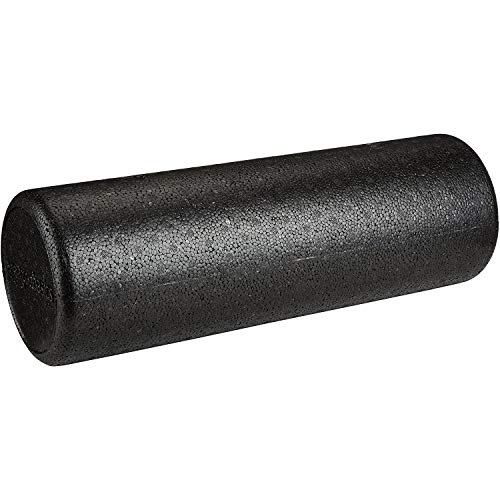
Amazon Basics High-Density Foam Roller for Exercise and Recovery, 18 Inches, Black
High-density foam roller in Black
As an affiliate, we earn on qualifying purchases.
As an affiliate, we earn on qualifying purchases.
Conclusion
Understanding rest times is like discovering a secret ingredient—you might not realize how much it influences your results. By paying attention to those pauses, you subtly guide your progress without even noticing. Embrace the small changes, and you’ll find your journey becomes smoother and more rewarding. Sometimes, the quiet moments make the biggest difference, helping you unleash your true potential. So, trust the process and let rest gently nudge you toward success.

Kieba Massage Lacrosse Balls for Myofascial Release, Trigger Point Therapy, Muscle Knots, and Yoga Therapy. Set of 2 Firm Balls (Green and Yellow)
IMMEDIATE BENEFITS – Self myofascial release eliminates muscle knots and tension. Trigger point therapy massage lacrosse balls relieve…
As an affiliate, we earn on qualifying purchases.
As an affiliate, we earn on qualifying purchases.
Time Me Rest Time Fitness Timer – Countdown Gym Timer and Stopwatch, Vibrating, Compact Design, Rechargeable Battery
Time Me 3.0 Includes Vibration Feedback (When Countdown Activated), Double Time Mode, Velcro Strap , Improved Battery Life
As an affiliate, we earn on qualifying purchases.
As an affiliate, we earn on qualifying purchases.