
The 10,000-step goal is a marketing myth, not a scientific standard, and focusing only on reaching this number can oversimplify your health. Everyone’s needs are different; some might benefit from fewer steps, while others need more activity. Instead, focus on staying consistent with a variety of movements that you enjoy. If you want to understand why the number isn’t everything and what truly matters, keep exploring for more insights.
Key Takeaways
- The 10,000-step goal originated as a marketing gimmick, not a scientific health benchmark.
- Total activity quality and variety are more important than hitting a specific step count.
- Individual fitness needs vary; some may benefit from fewer or more steps depending on goals.
- Focusing solely on steps can cause stress; sustainable routines and enjoyment promote better health.
- Incorporating different exercises beyond walking supports comprehensive fitness and overall well-being.

Have you ever believed that walking 10,000 steps a day is the ultimate goal for good health? It’s a common idea, often promoted as a simple way to stay active and fit. But the truth is, focusing solely on a step goal can be misleading. While walking is a great form of physical activity, it’s not the only measure of a healthy lifestyle. Instead of fixating on hitting a specific number, you should consider what your overall activity levels and habits mean for your well-being.
Focusing solely on 10,000 steps can be misleading; overall activity and habits matter more for health.
The 10,000-step target originated from a marketing campaign in Japan during the 1960s, not from scientific research. Although it’s become a popular benchmark, it doesn’t apply equally to everyone. Your needs depend on your age, fitness level, and health goals. For some, walking 5,000 steps might be enough, especially if they’re active in other ways or have physical limitations. For others, aiming for 15,000 steps might be more suitable. The key isn’t the number itself but ensuring you incorporate enough physical activity into your daily routine.
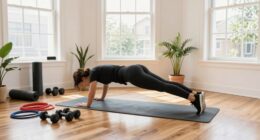
Physical activity encompasses more than just steps. It includes activities like cycling, swimming, dancing, or strength training. These forms of exercise offer different benefits and can be just as important as walking. For example, strength training builds muscle, improves bone density, and boosts metabolism, which walking alone might not achieve. Flexibility and balance exercises are also essential, especially as you age. So, rather than obsessing over a step goal, you should look at your entire activity pattern. Are you moving regularly? Are you engaging in a variety of exercises that challenge different muscle groups? These questions matter more than chasing a specific number of steps.
Moreover, the focus on a step goal can lead to unnecessary stress or guilt if you don’t meet it. Instead, aim for consistency and enjoyment. Find activities you like and incorporate them into your daily routine. Even small movements, like stretching during breaks or taking short walks, contribute to your overall physical activity. Remember, the goal is a balanced, sustainable approach to staying active, not hitting a predetermined number every day.
Additionally, understanding different types of activities and their benefits can help you tailor your fitness routine to your personal goals. Variety in movement ensures that you develop different muscle groups, improve overall fitness, and reduce the risk of injury. Remember, what truly matters is your overall health and how you feel. Achieving a certain step count can be a helpful motivator, but it shouldn’t define your entire approach to fitness. Prioritize regular movement that challenges and benefits your body in different ways. That’s how you’ll develop habits that last—focused on quality, variety, and enjoyment, rather than just a number.
Top picks for "step myth matter"
Open Amazon search results for this keyword.
As an affiliate, we earn on qualifying purchases.
Frequently Asked Questions
How Can I Measure My Daily Activity Accurately?
To measure your daily activity accurately, use a reliable device designed for activity tracking. Look for one with high device accuracy, as it guarantees your steps, movement, and calorie data are precise. Wear your device consistently and sync it regularly with the app. Avoid relying solely on step counts; instead, monitor overall activity patterns, including different exercises and durations, for a thorough view of your daily activity.
Does Intensifying Workouts Compensate for Fewer Steps?
Intensifying your workouts can compensate for fewer steps by boosting step intensity and increasing activity variety. When you challenge yourself with higher-intensity exercises like brisk walking, running, or interval training, you burn more calories and improve cardiovascular health. Mixing different activities keeps your routine engaging and targets various muscle groups, making your workouts more effective even if your step count is lower. Focus on quality, not just quantity.
Are There Health Risks in Walking Too Much?
Walking too much can pose health risks if you ignore step count limitations and walking safety. Overexertion may lead to injuries like stress fractures or joint pain, especially if you push beyond your body’s limits. To stay safe, listen to your body, pace yourself, and incorporate rest days. Remember, quality over quantity matters, so focus on consistent, mindful walking rather than just hitting a high step count.
How Does Fitness Level Influence Step Count Goals?
Your fitness level plays a big role in setting step count goals. Beginners might aim for fewer steps, gradually increasing as their endurance grows, while active individuals may set higher targets. Remember, step count myths can mislead you into chasing numbers rather than personal health. Focus on fitness personalization, listening to your body, and making steady progress rather than fixating on a specific number.
What Are Alternative Ways to Stay Active Besides Walking?
Think of staying active as a toolbox rather than just counting steps. You can bike, dance, swim, or do bodyweight exercises—these activities also boost your fitness. Use activity tracking to monitor these alternatives and keep motivated. Step counting is helpful, but mixing up your routine guarantees you stay engaged and work different muscles. Remember, variety keeps your fitness journey exciting and effective, not just a numbers game.
Conclusion
Instead of obsessing over hitting exactly 10,000 steps, focus on making movement meaningful and consistent. For example, imagine Sarah, who walks 6,000 steps daily but incorporates strength training and active hobbies. She maintains better health than someone rigidly chasing the number but staying sedentary most of the day. Remember, it’s about creating sustainable habits that fit your life, not hitting a magic number. Prioritize quality and consistency over arbitrary goals.