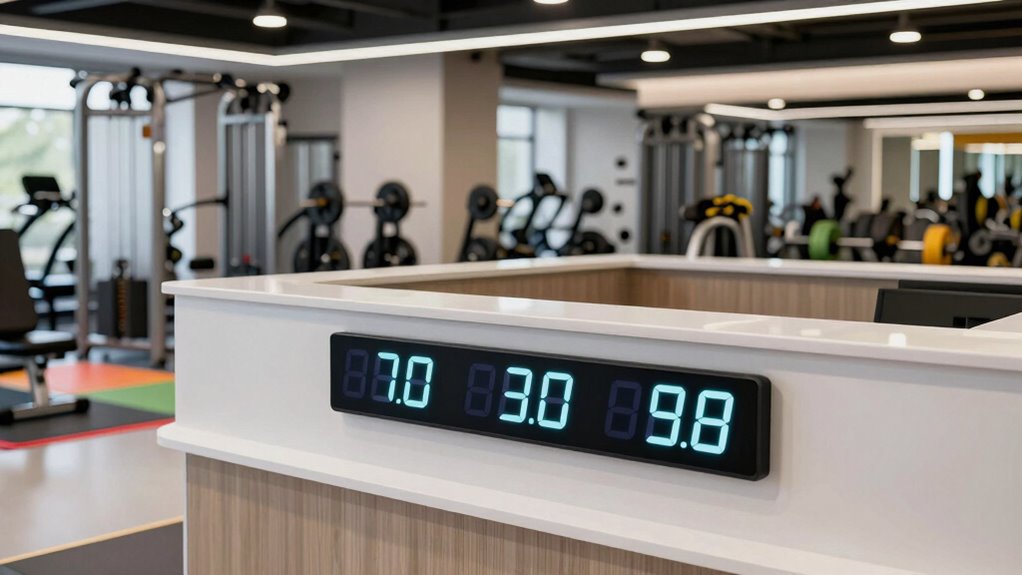

A 3-number check-in helps keep your training honest by giving you clear, measurable benchmarks that track your progress objectively. You might monitor total weight lifted, reps completed, or perceived exertion levels—whatever fits your goals. Sharing these with accountability partners boosts honesty and motivation while revealing trends like plateaus or improvements. Maintaining this simple system fosters transparency and consistency. Keep going, and you’ll discover how these numbers can transform your training into a more honest and effective journey.
Key Takeaways
- The 3-Number Check-In provides objective data to track progress and maintain honesty in training efforts.
- Sharing your numbers with accountability partners encourages truthful reporting and external validation.
- Regular check-ins help identify trends, plateaus, or regressions, prompting honest assessments and adjustments.
- Using measurable metrics transforms abstract goals into concrete benchmarks, promoting transparency and integrity.
- Consistent updates cultivate a habit of honesty, reinforcing commitment and motivating sustained progress.

When it comes to honest training, regularly checking in with a simple 3-number system can make a significant difference. This method offers a straightforward way to track your progress and stay accountable. Instead of relying on vague feelings or inconsistent motivation, you focus on concrete numbers that reflect your current state. This clarity helps you see real progress and identify areas that need improvement. As you develop this habit, you’ll find it easier to stay honest with yourself and maintain motivation over the long haul. Incorporating progress tracking through consistent updates enhances your understanding of your training journey. The key to making this system work is consistent progress tracking. Each day or week, you record three specific numbers that represent different aspects of your training. For example, you might track the total weight lifted, the number of reps completed, and your perceived exertion level. These numbers serve as objective benchmarks, allowing you to see trends over time. When you look back, you’ll notice improvements or plateaus, which can inform how you adjust your workouts. This ongoing process keeps your training honest because it removes guesswork and emotional bias, grounding your efforts in measurable data.
Regularly tracking three key numbers keeps your training honest and progress clear.
Accountability partners play a crucial role in this process. Sharing your 3-number updates with someone you trust—whether a friend, coach, or fellow trainee—adds an extra layer of authenticity. When you know someone else is aware of your numbers, you’re more motivated to be truthful and consistent. Your accountability partner can also provide valuable feedback, encouragement, or suggestions based on the data you share. This collaboration creates a supportive environment where honesty isn’t just encouraged; it’s reinforced. It’s easier to stay committed when you know someone is paying attention and wants you to succeed.
Using this system also helps you recognize patterns that might otherwise go unnoticed. For instance, if your numbers stay stagnant over several check-ins, it signals that your training might need tweaking. Conversely, consistent upward trends validate your efforts, boosting your confidence. The simplicity of the 3-number check-in prevents overwhelm and keeps your focus sharp. It’s not about obsessing over every tiny detail but rather about maintaining a clear snapshot of your progress and staying truthful about where you are in your training journey.
In essence, integrating progress tracking with accountability partners through a 3-number system makes your honesty in training sustainable. It transforms abstract goals into tangible data and fosters a culture of transparency with yourself and others. By sticking to this method, you build a habit rooted in integrity, ensuring that your effort genuinely reflects your progress. Over time, this disciplined approach helps you stay motivated, honest, and ultimately more successful in reaching your fitness goals.
Top picks for "number check keep"
Open Amazon search results for this keyword.
As an affiliate, we earn on qualifying purchases.
Frequently Asked Questions
How Often Should I Perform the 3-Number Check-In?
You should perform the 3-number check-in weekly to effectively track your progress and boost motivation. This regular routine helps you stay honest with yourself, identify areas needing improvement, and celebrate small wins. By doing it consistently, you create accountability and keep your training on track. Remember, frequent check-ins guarantee you’re always aware of your current state, making it easier to adjust your goals and stay motivated on your fitness journey.
What if My Numbers Don’T Improve Over Time?
If your numbers don’t improve, don’t get discouraged. Use progress tracking to identify patterns or plateaus, and see where adjustments are needed. Consider adding motivation boosters like new goals or varied routines to reignite your enthusiasm. Remember, consistency matters more than rapid gains. Keep monitoring your numbers, stay committed, and trust that steady effort will eventually lead to progress. Stay patient and persistent—you’re building a stronger, healthier you.
Can Beginners Effectively Use This Check-In Method?
Yes, beginners can effectively use this check-in method. It simplifies progress tracking, helping you see small wins and stay motivated. By regularly monitoring your numbers, you’ll notice steady improvements and avoid frustration. This consistent review acts as a motivation boost, keeping you engaged and focused on your goals. It’s a simple, honest way to stay accountable and build confidence as you advance in your training journey.
How Do I Interpret the Results of My Check-In?
You interpret your check-in results by comparing your numbers over time, which helps with progress tracking. If your numbers improve, it boosts your motivation and confirms you’re on the right path. If they stay the same or dip, it signals you might need to modify your routine. Regularly reviewing these results keeps you honest, ensures steady progress, and gives you motivation boosts to stay committed to your training.
Is This Method Suitable for All Types of Training?
You might find this method works well across various training types, but it’s most effective when paired with diverse workouts. For training suitability, it’s a great tool to monitor progress and stay honest, yet it’s not a one-size-fits-all solution. Incorporate different workout styles to keep things fresh. This approach helps you adapt, ensuring your training remains balanced and effective, regardless of your fitness goals.
Conclusion
By tracking just three key numbers, you stay honest and motivated in your training. Did you know that people who monitor their progress regularly are 50% more likely to reach their goals? Keep yourself accountable by checking in on these metrics consistently. This simple habit not only boosts your confidence but also guarantees you’re on the right path. Stick with it, and you’ll see real results—because honesty and consistency truly make the difference.