When you stick to the 2-2 breathing rule during indoor running, you naturally keep your rhythm steady, which helps calm your nerves and improve focus. Inhale for two seconds, then exhale for two seconds, maintaining this pattern throughout your workout. This mindful breathing guarantees your muscles get enough oxygen and reduces stress, transforming a simple run into a calming mental reset. Keep going, and you’ll discover how this technique can elevate your entire approach to indoor exercise.
Key Takeaways
- The 2-2 breathing rule involves inhaling and exhaling for two seconds each to establish a steady, calming rhythm.
- This technique helps maintain focus, reduce anxiety, and promote mental calmness during indoor runs.
- Rhythmic breathing improves oxygen flow, relaxing muscles and slowing the heartbeat for a more controlled workout.
- Consistently practicing the 2-2 rule enhances endurance, mental clarity, and overall exercise enjoyment over time.
- No equipment is needed; integrating this mindful breathing habit transforms indoor running into a calming, effective experience.

Running indoors can be just as effective as outdoor workouts, but it requires paying close attention to your breathing. When you’re confined to a small space, distractions and mental chatter can easily take over, making it harder to stay focused and maintain a steady rhythm. That’s where breathing techniques come into play. By consciously controlling your breath, you can improve your mental focus, reduce anxiety, and make your workout more efficient. One simple but powerful method is the 2-2 rule, which involves inhaling for two seconds and then exhaling for two seconds. This pattern helps you establish a natural, steady rhythm that keeps your mind engaged and your body relaxed.
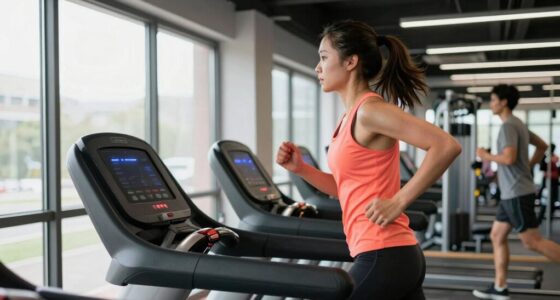
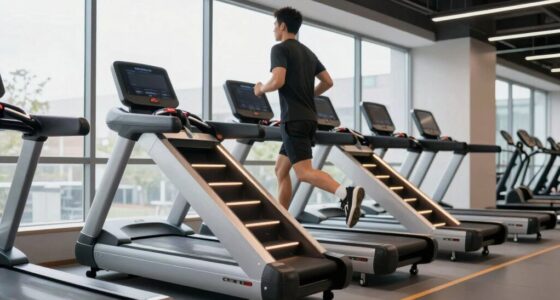
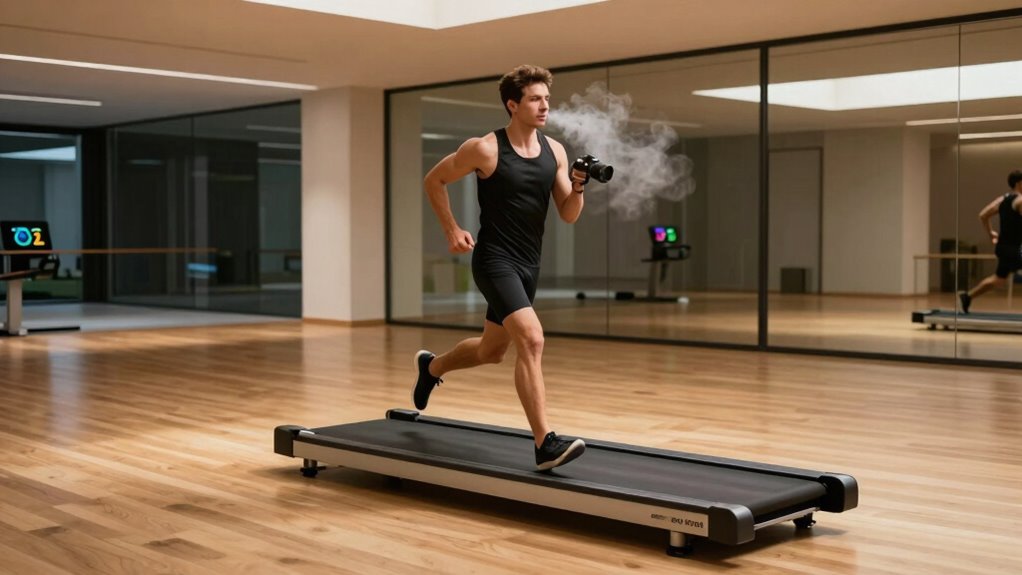
Indoor running can be just as effective with mindful breathing and a steady 2-2 rhythm.
The key to mastering the 2-2 breathing technique is consistency. As you run, remind yourself to breathe in for two counts, then out for two counts. This rhythmic breathing not only ensures that your muscles receive enough oxygen, but it also anchors your mental focus. Instead of drifting into thoughts about how much farther you have to run or worries about your day, you direct your attention to your breath. This mindfulness effect can calm your nervous system, making your indoor run feel less stressful and more meditative. It’s a simple way to turn a mundane workout into a mental reset.
Pay close attention to how your body responds as you adopt this breathing pattern. You might notice your heartbeat slowing slightly, your muscles relaxing, or your mind clearing. The act of controlling your breath creates a feedback loop that keeps you present. When your mental focus is sharp, you’re less likely to get distracted or develop negative thoughts that can sap your motivation. Instead, you stay centered, making each stride more purposeful and controlled. It also helps you avoid common pitfalls like shallow breathing or hyperventilation, which can cause dizziness and fatigue.
Incorporating the 2-2 rule into your indoor running routine doesn’t require extra equipment or complex techniques. It’s about creating a simple, mindful habit that enhances both physical performance and mental clarity. Over time, this focus on breathing can boost your endurance, improve your recovery, and make every session more enjoyable. Whether you’re running to stay fit or to clear your mind, mastering these breathing techniques makes your indoor workouts more effective and calming. With consistency, you’ll find that focusing on your breath becomes second nature, transforming indoor running into a more mindful, controlled, and satisfying experience. Additionally, aligning your breathing with your movement can improve your overall home workout efficiency.

Breathe Trainer,Muscle Trainer,Portable Adjustable Trainer for and Muscular Exercise – Suitability Running Daily Fitness Training, Easy to Clean,for All(Black)
Efficient Design:Our resistance valve suitable for almost everyone without side effects. Easy to adjust, which can meet different…
As an affiliate, we earn on qualifying purchases.
As an affiliate, we earn on qualifying purchases.
Frequently Asked Questions
Can the 2-2 Breathing Rule Be Applied During Other Indoor Workouts?
Yes, you can apply the 2-2 breathing pattern during other indoor fitness routines. This breathing pattern helps regulate your heart rate and reduce stress, making it useful for various workouts like cycling, strength training, or yoga. Focusing on controlled breathing enhances your performance and keeps you calm. Incorporating the 2-2 rule into your indoor fitness sessions guarantees you stay centered and maintain steady breathing throughout your exercise.
How Long Should I Practice the 2-2 Breathing Technique Daily?
You should practice the 2-2 breathing technique for about 5 to 10 minutes daily. Ironically, the more you think about it, the more you’ll want to overdo it. Keep your breathing duration steady—inhale for two seconds, exhale for two seconds—and aim for consistent practice. Regular practice frequency helps calm your mind and improves your overall breathing, making it easier to stay centered during indoor workouts.
Is the 2-2 Rule Effective for Anxiety or Stress Relief?
Yes, the 2-2 rule is effective for anxiety management and stress reduction. When you practice this breathing technique, it helps slow your heart rate and calm your mind, making it easier to handle stressful situations. You’ll notice a soothing effect as you focus on steady inhaling and exhaling. Incorporate it into your daily routine or during moments of anxiety for quick relief and improved emotional resilience.
Are There Any Contraindications for Using This Breathing Method?
Sure, no need to worry—there aren’t many contraindications with the 2-2 rule. Still, you should consider medical considerations and breathing limitations, especially if you have respiratory issues or heart problems. If you feel dizzy, short of breath, or uncomfortable, stop immediately. Always consult a healthcare professional if you’re unsure, because even simple breathing exercises can sometimes challenge certain medical conditions. Safety first, even in calming moments.
Can This Technique Improve Overall Lung Capacity Over Time?
Yes, this breathing technique can improve your overall lung capacity and breathing efficiency over time. By practicing the 2-2 rule regularly, you strengthen your diaphragm and lung muscles, making your breathing more effective during exercise and daily activities. Consistent use helps expand your lung capacity gradually, leading to better oxygen intake and endurance. Stick with it, and you’ll notice your breathing becoming easier and more controlled.
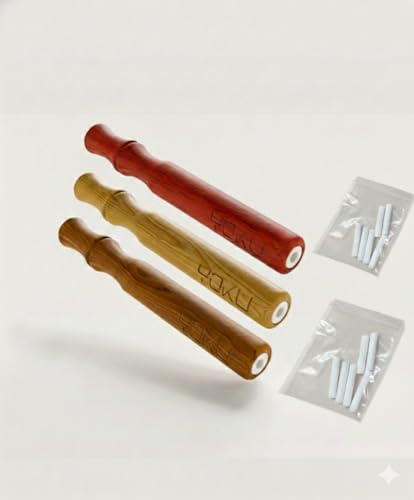
YOKU Wooden Breathing Stick – Pocket-Sized Mindful Breathing Trainer – Natural Airflow Stick for Habit Support & Relaxation, Set of 3 – Ashwood, Rosewood, Sapelewood.
🌿 Natural Habit Support – A simple, handheld wooden breathing tool to help create moments of calm, presence,…
As an affiliate, we earn on qualifying purchases.
As an affiliate, we earn on qualifying purchases.
Conclusion
By practicing the 2-2 breathing rule during indoor runs, you can quickly calm your nerves and stay focused. It’s a simple technique that makes a big difference in how you feel and perform. So, next time you’re feeling overwhelmed, ask yourself: are you ready to take control of your breath and find your calm? Remember, a steady breath is your best running buddy—trust it to keep you centered.

2 Pcs Breath Trainer, Portable Breathing Trainer Silicone Lung Exerciser Device, Resistance Breathing Exercise for Yoga, Swimming, Fitness(White and Black (2)
Adjustment Respiratory Trainer: The lung trainer made of food-grade silica gel and ABS,with adjustable resistance valve,the resistance can…
As an affiliate, we earn on qualifying purchases.
As an affiliate, we earn on qualifying purchases.
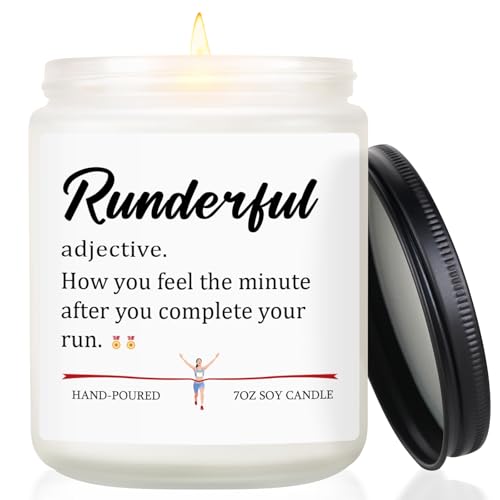
Funny Gifts for Runners Women, Marathon Runners Gifts – Handmade Lavender Soy Wax Candle, Cross Country Running Gift, Marathon Essentials, Half Marathon, Track and Field, Running Accessories for Women
IDEAL GIFT FOR RUNNERS: Whether it's for a female or male runner, a half marathon participant, or someone…
As an affiliate, we earn on qualifying purchases.
As an affiliate, we earn on qualifying purchases.