
TL;DR
Fitness trackers like Fitbit and Apple Watch cannot reliably measure calorie burn. Their estimates are based on incomplete data and algorithms, making them inaccurate for precise tracking. This matters for users relying on these devices for health and fitness goals.
Recent scientific assessments and expert insights confirm that fitness trackers such as Fitbit and Apple Watch are unable to accurately measure calories burned. Despite their popularity, these devices rely on algorithms that process motion and heart rate data, which are inherently imprecise, making their calorie estimates unreliable. This development is significant for consumers who use these devices to guide their health and fitness routines.

Get workout gear delivered free with Prime
- Fast, free delivery on millions of items
- Prime Video, Amazon Music and more included
- Member-only deals all year
Fitness trackers determine calorie burn primarily through accelerometers and optical heart rate sensors. Accelerometers estimate activity levels based on wrist movements, while heart rate sensors gauge exertion. These measurements are then processed through proprietary algorithms that factor in user data such as age, weight, and sex to produce a calorie estimate. However, these methods are fundamentally estimates, not direct measurements.
Research indicates that these estimates can vary widely depending on factors like device placement, skin tone, and movement patterns. For example, studies have shown that when a user rests their hand on a treadmill handle, some devices record significantly fewer steps than others. Similarly, optical sensors tend to be less accurate on darker skin tones. Despite ongoing scientific interest, there is no standardized or publicly verified method for validating these calorie counts, and companies are not required to disclose their algorithms.
Scientific studies published in recent years suggest that the accuracy of calorie estimates from consumer wearables remains questionable. Delays in research publication mean that by the time new data is available, device models often have been replaced, making it difficult for consumers and healthcare providers to rely on scientific validation. As a result, many experts advise caution when interpreting calorie data from these devices.
Why Inaccurate Calorie Counts Matter for Users
This inaccuracy impacts users who depend on fitness trackers for weight management, exercise motivation, or health monitoring. Overestimating calorie burn might lead to overeating, while underestimating it could discourage activity. For those with medical conditions or in weight loss programs, relying on flawed data could hinder progress or lead to misguided decisions. Although these devices can motivate activity and provide useful feedback, their calorie estimates should not be considered precise or medically reliable.
Products Worth Considering
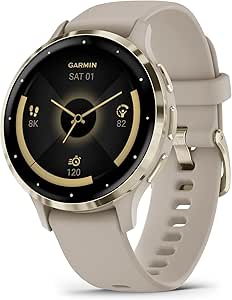
Garmin Venu 3S GPS Fitness Smartwatch, 41 mm, French Gray

Levoit Vital 100S-P Air Purifier with Washable Pre-Filter

BowFlex Results Series SelectTech Adjustable Dumbbells, Pair
As an affiliate, we earn on qualifying purchases.
Limitations of Current Fitness Tracker Technology
Since the launch of early fitness wearables, manufacturers have marketed calorie tracking as a key feature. However, scientific evaluations reveal that these estimates are based on algorithms that interpret incomplete data, rather than direct measurement. The complexity of human movement and physiological variation makes precise calorie measurement challenging. Despite ongoing research, no consumer device currently offers a validated, highly accurate calorie count.
In recent years, scientific studies have compared popular devices against lab-grade equipment. Results consistently show wide discrepancies, with some devices overestimating or underestimating calorie burn by significant margins. The lag between research and product updates further complicates consumer reliance on these estimates, as newer models often lack independent validation.
“Fitness trackers are fundamentally estimating calorie burn based on incomplete and variable data, making their numbers unreliable for precise health decisions.”
— Beth Skwarecki, Senior Health Editor at Lifehacker
What Remains Uncertain About Wearable Calorie Data
It is still unclear how much individual variability affects the accuracy of calorie estimates across different devices and users. Researchers have not established standardized validation protocols, and proprietary algorithms remain undisclosed, complicating independent verification. Additionally, the impact of factors like movement type, skin tone, and device placement on accuracy is not fully understood. Ongoing studies aim to clarify these issues, but definitive conclusions are still pending.
Future Directions for Improving Calorie Measurement Accuracy
Researchers and manufacturers are working toward developing better validation methods and more transparent algorithms. Advances in sensor technology, such as multi-sensor integration and machine learning, may improve estimates over time. Regulatory bodies may also introduce standards for wearable accuracy. For consumers, the best approach remains to use these devices as motivational tools rather than precise measurement tools, and to combine their data with other health metrics.
Key Questions
Can I rely on my fitness tracker for calorie counting?
While fitness trackers can motivate activity and provide general feedback, their calorie estimates should be considered approximate rather than precise. Use them as motivational tools rather than strict measurement devices.
Why do different devices give different calorie counts?
Different algorithms, sensors, and data processing methods lead to variability in calorie estimates. Factors like device placement and user physiology further influence accuracy.
Are there any devices that measure calorie burn accurately?
Currently, no consumer-grade wearable provides highly accurate calorie measurement. Scientific validation typically involves lab equipment like indirect calorimetry, not available in most personal devices.
Will future wearables be more accurate?
Ongoing research into sensor technology and data analysis aims to improve accuracy. However, it remains uncertain when or if consumer devices will reliably measure calorie burn.
Should I stop using my fitness tracker for motivation?
No, these devices can still motivate activity and help track trends, but their calorie counts should not be relied upon for precise dietary or health decisions.
Source: Lifehacker