
To use split times and pace effectively without letting them ruin your workout, focus on using data as a guide, not a pressure point. Celebrate small progress and accept natural fluctuations in splits. Set realistic goals, and review trends afterward to customize your training. Practice positive self-talk and visualization during runs to stay motivated. Balancing data with a healthy mindset helps you improve without stress—continue exploring how to make this approach work best for you.
Prime for Young Adults — start your free trial
Fast free delivery, streaming and member deals for eligible 18–24 year olds.
As an affiliate, we earn on qualifying purchases.
Key Takeaways
- Focus on overall effort and consistency instead of obsessing over every split or pace fluctuation.
- Use split times as guidance, not strict rules, to make real-time adjustments without pressure.
- Celebrate small progress and avoid negative self-talk when splits don’t meet expectations.
- Review data post-run to identify patterns, not to criticize or fixate during workouts.
- Maintain a balanced mindset by prioritizing motivation and long-term goals over perfect splits.
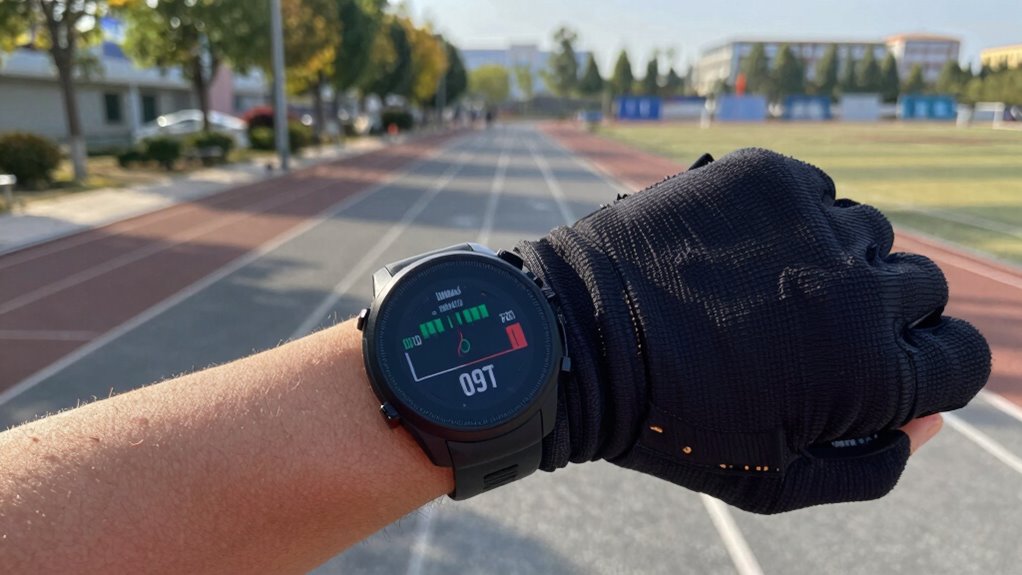
Understanding how to use split times and pace is essential for improving your running performance. When you track your splits, you’re breaking down your run into manageable segments, which helps you identify your strengths and weaknesses. But it’s easy to get caught up in the numbers, especially if you start obsessing over every second. The key is to use your split times and pace as tools for guidance, not as sources of pressure that ruin your workout. Instead of letting the data dictate your mood, you can incorporate effective training strategies and motivational techniques that keep you focused and positive.
Use split times as guidance, not pressure, to stay motivated and focused on your running progress.
A smart approach is to set realistic goals for each run. For example, instead of aiming for a specific pace right from the start, focus on maintaining a steady effort throughout. This helps prevent frustration if your splits aren’t perfect and encourages consistency. Use your pace data to adjust your effort in real time rather than fixating on perfection. If you notice your split times slowing down, instead of panicking, remind yourself that fluctuations are normal. This mindset helps you stay motivated, especially during tough parts of your run. Remember, progress isn’t always linear, and setbacks are part of the process. Celebrating small improvements can boost your confidence and keep your motivation high.
Another effective training strategy is to analyze your split times after each run, focusing on patterns rather than isolated numbers. This allows you to identify trends—are your splits faster at certain times of day or on specific routes? Use these insights to tailor your training plan, emphasizing areas for improvement while acknowledging your achievements. It’s important not to let the pursuit of perfect splits overshadow your overall progress. Keep your eyes on your long-term goals, and use your pace data as a motivational tool to push just enough without overdoing it. Recognizing that data tracking can enhance your training, rather than hinder it, helps maintain a healthy mindset. Incorporating consistent monitoring into your routine ensures you stay aware of your progress without becoming overwhelmed by every detail. Additionally, understanding the importance of training variability can help you adapt your efforts and prevent burnout or plateaus, making your workouts more sustainable and enjoyable.
Motivational techniques can also help you stay emotionally balanced when tracking splits. For instance, give yourself positive affirmations, like “I’m improving with each run” or “I’m capable of reaching my goals.” These mental boosts reinforce a healthy relationship with your pace data. Incorporating mindset techniques, such as visualization and positive self-talk, can further enhance your resilience during challenging runs. Recognizing that your effort is just as valuable as your split times can help you focus on the process rather than perfection. Remember, your worth isn’t defined by your split times but by your dedication and consistency. When you view your pace as part of a bigger picture—your overall fitness journey—you’re less likely to get discouraged by temporary setbacks. Ultimately, the goal is to use split times and pace to guide your training, not to control your emotions or ruin your workout. Keep a clear focus, stay motivated, and trust your training process.
As an affiliate, we earn on qualifying purchases.
Frequently Asked Questions
How Do I Interpret Split Times During Outdoor Runs?
When interpreting split times during outdoor runs, focus on stride consistency and terrain impact. If your split times fluctuate, it might be due to uneven terrain or inconsistent stride length. Use split times as a guide, not a strict rule, adjusting for terrain changes. Remember, variations are normal, especially on hills or uneven surfaces. Tracking these factors helps you understand your pace better and maintain a steady effort throughout your run.
What Should I Do if My Pace Fluctuates Unexpectedly?
When your pace fluctuates unexpectedly, focus on mental resilience and breathing techniques. Stay calm and centered, avoiding panic or frustration. Use deep, controlled breaths to steady your mind and body, helping you regain your rhythm. Remember, pace variations are normal; they don’t define your effort. Keep persevering, practicing patience, and pushing through the unpredictable, because consistency grows from resilience and mindful breathing, not perfection.
How Can I Prevent Anxiety Over Split Time Inconsistencies?
To prevent anxiety over split time inconsistencies, practice mindfulness training during your runs. Focus on your breathing and stay present, rather than fixating on exact split times. Developing mental resilience helps you accept fluctuations as normal, reducing stress. Remind yourself that pace variations are part of racing and training. Over time, this mindset will make you more adaptable, confident, and less prone to anxiety when your split times aren’t perfect.
What Devices Are Best for Accurate Pace Tracking?
Think of a GPS watch as your running compass, guiding your pace with precision. For the best pace accuracy, choose devices with advanced GPS technology like Garmin Forerunner or Coros Apex. Regular device calibration guarantees your data remains reliable, preventing misleading splits. These gadgets are built for runners who crave consistency, helping you stay on course and confident in your pace, no matter how tricky the trail.
How Often Should I Check My Split Times During a Workout?
You should check your split times every 1 to 2 miles or every 5 to 10 minutes, depending on your training strategies. This keeps you informed without overanalyzing, maintaining motivation techniques like focusing on progress rather than perfection. Frequent checks can lead to stress, so find a balance that encourages steady pacing without disrupting your flow. Trust your device, stay consistent, and adjust your effort as needed based on your split feedback.
As an affiliate, we earn on qualifying purchases.
Conclusion
Next time you’re checking your split times and pace, remember that even seasoned runners have moments where things don’t go perfectly. It’s funny how a simple glance can remind you that progress isn’t just about hitting exact numbers but enjoying the journey. Embrace the ups and downs—sometimes, a slow mile sparks your fastest comeback. Keep your focus on your goals, stay flexible, and trust that your best runs often come when you let go of perfection.
As an affiliate, we earn on qualifying purchases.
As an affiliate, we earn on qualifying purchases.
Flea & tick season Picks
flea and tick prevention
As an affiliate, we earn on qualifying purchases.