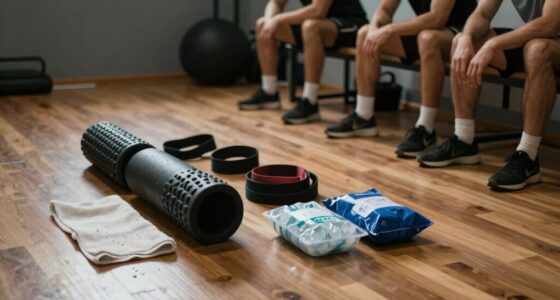
To make hard training more sustainable, prioritize consistent recovery habits like proper nutrition, active recovery, and quality sleep. Fuel your body with balanced meals, hydrate well, and include recovery snacks to support muscle repair and energy. Incorporate light activity and stretching on rest days to reduce soreness. Emphasizing these habits helps you stay motivated and prevent burnout. Keep these strategies in mind, and you’ll discover even more ways to enhance your progress.

Get workout gear delivered free — and shop member deals
- Fast, free delivery on millions of items
- Access to Prime Big Deal Days deals on October 6–7
- Prime Video, Amazon Music and more included
Key Takeaways
- Prioritize active recovery techniques like light stretching and foam rolling to reduce soreness and enhance muscle repair.
- Maintain consistent hydration to support muscle function and prevent fatigue during intense training periods.
- Incorporate quality sleep into your routine for hormonal balance and effective physical and mental recovery.
- Follow balanced nutrition with adequate protein, carbs, and healthy fats to optimize recovery and sustain energy levels.
- Cultivate mental resilience through mindfulness and reflection to stay motivated and view recovery as an essential part of progress.
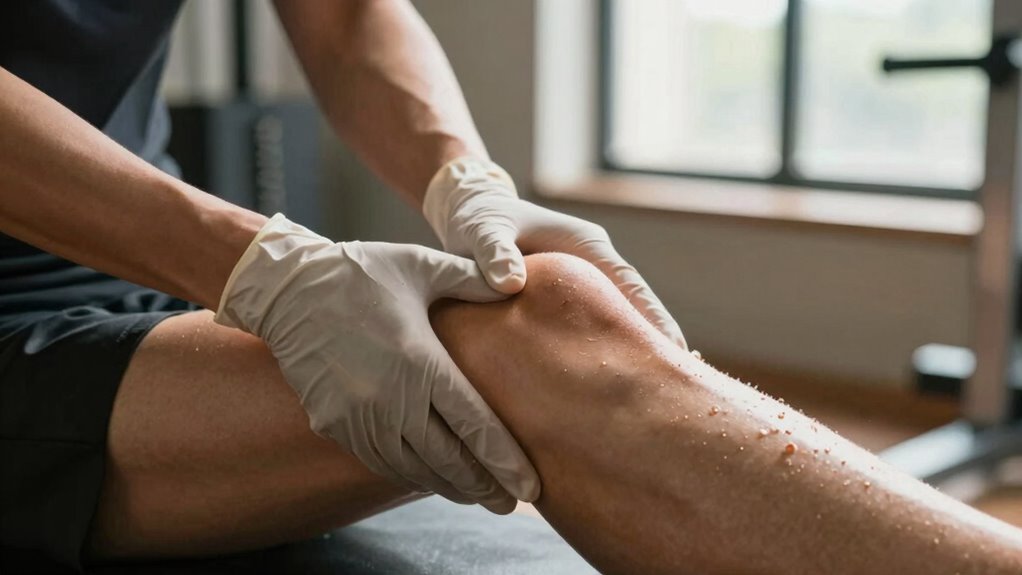
When you push your body through intense training sessions, recovery becomes just as essential as the workout itself. Without proper recovery, you risk burnout, injury, and diminishing returns on your efforts. To make hard training feel more sustainable, you need to develop a reliable recovery habit that integrates both physical and mental strategies. One key component is your nutrition strategies. After tough workouts, your body craves replenishment—protein to repair muscles, carbs to restore glycogen, and healthy fats to support overall recovery. Prioritize balanced meals that include lean meats, whole grains, fruits, and vegetables. Hydration also plays a pivotal role; drinking plenty of water helps flush out toxins and keeps your muscles functioning at their best. Incorporate recovery snacks like Greek yogurt or a smoothie with protein and fruit to jump-start the repair process if you’re pressed for time. Consistent nutrition not only speeds up physical healing but also keeps your energy levels steady, making it easier to stick with demanding training routines over the long haul. Additionally, using proper hydration techniques can optimize your recovery process and prevent dehydration, which can impair muscle repair and performance. Maintaining a balanced approach to recovery can also support your biodiversity by promoting overall health and well-being, helping you stay in harmony with your body’s needs. Incorporating rest days into your routine is equally crucial, as it allows your muscles and mind to fully recover and adapt. Recognizing the importance of active recovery techniques, such as light stretching or foam rolling, can further enhance your recovery process and reduce muscle soreness. Incorporating sleep quality into your routine is equally vital, as deep, restorative sleep is when your body does much of its repair work and hormonal balancing.
Alongside nutrition, mental resilience is equally indispensable. Hard training often pushes you beyond your comfort zone, and maintaining a positive mindset helps you stay committed even when progress feels slow or setbacks occur. Developing mental resilience involves practices like mindfulness, deep breathing, or simply taking time to reflect on your achievements, no matter how small. When you approach recovery with a resilient mindset, you’re more likely to see rest and self-care as integral parts of your progress rather than setbacks. This mental toughness reduces the temptation to skip rest days or push through fatigue, which can lead to injury or burnout. Instead, you learn to listen to your body’s signals and trust that recovery is part of the process. Visualizing your goals and reminding yourself of your ‘why’ can also bolster your mental resilience, helping you stay motivated during challenging times.
Combining these elements—smart nutrition strategies and mental resilience—creates a recovery habit that supports your hard training. When you view recovery as an active, intentional practice, it becomes easier to maintain consistency. Regularly fueling your body with the right nutrients, prioritizing quality sleep, and practicing mental techniques keep you prepared for the next session. Over time, this approach transforms recovery from a mere afterthought into a powerful tool that enhances your endurance, strength, and overall well-being. The more you embrace this balanced recovery habit, the more sustainable your hard training becomes, allowing you to push your limits without sacrificing your health or motivation.
As an affiliate, we earn on qualifying purchases.
Frequently Asked Questions
How Long Does It Take to See Recovery Benefits?
You can start noticing recovery benefits within a few days to a week when you focus on nutrition timing and mental relaxation. Properly timing your meals helps replenish energy faster, while mental relaxation reduces stress hormones that hinder recovery. Consistently practicing these habits accelerates muscle repair and boosts your resilience, making hard training sessions feel more sustainable. Keep up these routines, and you’ll see the positive effects more quickly than you might expect.
Can Recovery Habits Prevent Injuries During Intense Training?
Think of recovery habits as your body’s safety net—yes, they can help prevent injuries during intense training. By maintaining good muscle flexibility through stretching and incorporating hydration strategies, you keep your muscles supple and resilient. Proper hydration flushes out toxins, reducing soreness and stiffness. When you prioritize these habits, you create a sturdy foundation that supports your training, reducing the risk of strains and tears.
Are Supplements Necessary for Optimal Recovery?
Supplements aren’t always necessary for ideal recovery; many myths suggest they’re essential, but a balanced diet often suffices. Focus on dietary considerations like adequate protein, hydration, and micronutrients to support muscle repair and reduce soreness. If your diet covers these needs, supplements may not provide additional benefits. However, if you’re lacking certain nutrients, consulting a healthcare professional can help determine if targeted supplements could enhance your recovery process.
How Does Sleep Quality Impact Recovery?
Good sleep quality profoundly impacts your recovery by enhancing sleep hygiene and ensuring a proper rest period. When you prioritize consistent sleep routines, you allow your body to repair muscles and replenish energy more effectively. Poor sleep disrupts these processes, making recovery slower and harder. To optimize recovery, focus on creating a relaxing bedtime routine, avoid screens before bed, and maintain a regular sleep schedule, ensuring your rest period is truly restorative.
What Are Quick Recovery Methods Between Workouts?
Think of recovery between workouts as tending to a garden. You hydrate strategically, like watering plants, to keep your muscles nourished, and incorporate stretching routines, like pruning, to release tension and promote growth. Quick recovery methods include sipping water consistently and doing gentle stretches to loosen tight muscles. These habits help you bounce back faster, ensuring your training remains sustainable and your progress steady.
As an affiliate, we earn on qualifying purchases.
Conclusion
By building a consistent recovery routine, you’ll boost your body’s resilience and reignite your motivation. Making recovery a regular part of your regimen transforms tough training into a sustainable, satisfying struggle. Remember, rest and rehabilitation aren’t just pauses—they’re powerful practices that propel your progress and prevent pitfalls. So, stay steadfast, prioritize your recovery, and soon you’ll find that enduring every effort becomes easier, energizing, and ultimately, more enjoyable. Keep cultivating this vital habit, and watch your workouts wow with wellness!
As an affiliate, we earn on qualifying purchases.
As an affiliate, we earn on qualifying purchases.
Fall Picks
fall essentials
As an affiliate, we earn on qualifying purchases.