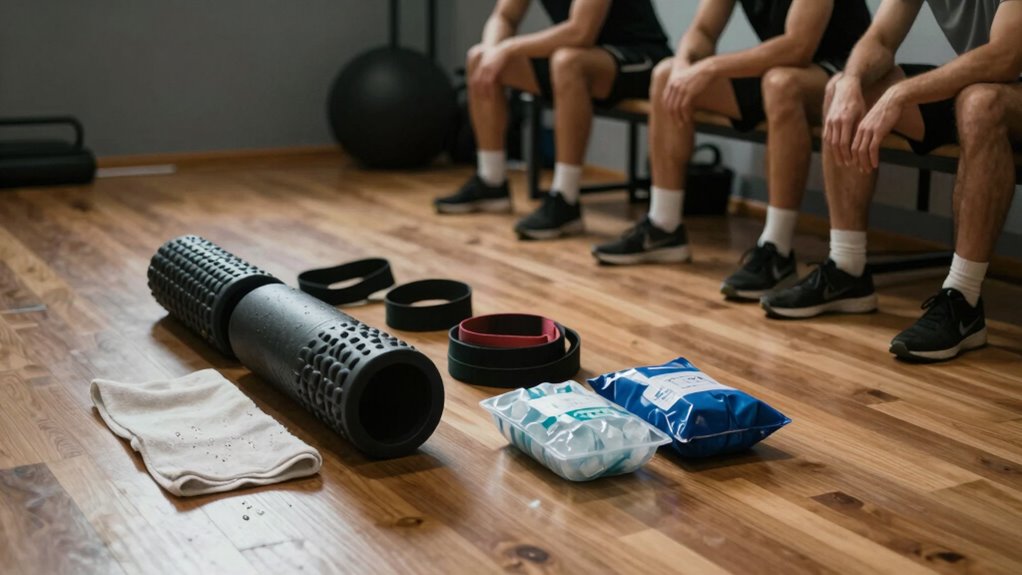

A recovery week might feel unnecessary or frustrating, but it’s essential for your progress. It helps repair tissues, rebuild energy, and reset your mind. It also prevents overtraining, lowers injury risk, and boosts motivation. Listening to your body and engaging in active recovery can make this time productive. Rest isn’t a sign of weakness; it’s a strategic tool. Keep going to discover how to make the most of these important breaks.

Get workout gear delivered free with Prime
- Fast, free delivery on millions of items
- Prime Video, Amazon Music and more included
- Member-only deals all year
Key Takeaways
- Recovery weeks prevent overtraining, reduce injury risk, and support long-term performance gains.
- They help break plateaus by allowing the body to adapt and reset.
- Incorporating proper nutrition and hydration enhances tissue repair and reduces inflammation.
- Rest promotes mental resilience, reduces stress, and boosts motivation for future workouts.
- Active recovery and listening to your body optimize healing without risking burnout.

After pushing yourself through intense lifting sessions or demanding cardio workouts, taking a recovery week might seem counterintuitive, but it’s essential for sustained progress. Your body needs time to repair tissues, replenish energy stores, and reset, even if it feels like you’re losing momentum. During this week, your focus should shift from pushing harder to supporting your body’s recovery. Nutritional strategies become crucial here—you’ll want to prioritize nutrient-dense foods that promote healing, such as lean proteins, healthy fats, and plenty of fruits and vegetables. Staying well-hydrated also plays a vital role, helping to flush out toxins and reduce inflammation. Avoid the temptation to indulge excessively in processed or sugary foods; instead, aim for balanced meals that nourish your muscles and immune system.
Prioritize nutrient-dense foods, stay hydrated, and avoid processed sugars to support recovery and immune health.
Mentally, this week is equally important. It’s an opportunity to build mental resilience, learning patience and self-discipline. You might feel restless or frustrated, especially if you’re used to constant activity, but it’s essential to embrace rest as part of your training. Use this time to reflect on your progress, set new goals, and visualize your future workouts. Resting doesn’t mean losing all your fitness; it’s about giving your mind and body a chance to recharge so you return more motivated and focused. Incorporating mindfulness practices like meditation or deep breathing can help enhance your mental recovery and reduce stress. Engaging in active recovery activities such as gentle yoga or walking can further support your body’s healing process without overexertion. These practices help maintain flexibility and improve circulation, which supports recovery. Recognizing the importance of listening to your body during this period can prevent overtraining and promote optimal healing. Additionally, understanding how proper nutrition and hydration influence recovery can lead to more effective results once you resume training.
During this recovery week, avoid the temptation to track every calorie or step obsessively. Instead, listen to your body’s cues—if you’re tired, rest; if you’re hungry, nourish yourself properly. This approach reinforces a healthy relationship with your body and prevents burnout. Building mental resilience also involves accepting that progress isn’t always linear. Sometimes, taking a step back is the best way forward. Use this time to evaluate your training plan, adjusting intensity or volume if needed, so you avoid injury or overtraining down the line. Recognizing the importance of long-term planning in your fitness journey can help you stay motivated and consistent over time.
Most importantly, remember that a recovery week isn’t a sign of weakness but a strategic move to enhance your long-term performance. It helps prevent fatigue, reduces injury risk, and keeps your motivation high. Embrace the rest with a positive mindset, knowing that, when you return to your workouts, you’ll be stronger, both physically and mentally. This intentional pause can be the key to breaking through plateaus and achieving sustained, meaningful progress in your fitness journey.
As an affiliate, we earn on qualifying purchases.
Frequently Asked Questions
How Do I Know if I Need a Recovery Week?
You need a recovery week when you notice persistent fatigue, decreased performance, or increased soreness, signaling your body needs rest. Rest importance is essential for injury prevention and muscle repair. Ignoring these signs can lead to overtraining and setbacks. Listen to your body, and if recovery feels overdue, take a break to allow proper recovery, reduce injury risk, and come back stronger and more motivated.
Can Recovery Weeks Improve Long-Term Performance?
They say, “You’re only as good as your last workout,” but recovery weeks prove otherwise. Yes, they can improve long-term performance by giving your body time to repair and grow stronger. During these weeks, a focus on nutrition helps replenish energy stores, while a mental reset reduces burnout. Incorporating recovery weeks regularly enhances consistency, prevents injury, and ultimately boosts your progress over time.
What Are Signs of Overtraining That Indicate a Recovery Week?
If you’re experiencing persistent muscle soreness and heightened fatigue levels, these are clear signs of overtraining that suggest you need a recovery week. You might also notice decreased performance, trouble sleeping, and a lack of motivation. Listening to your body is essential—if these symptoms persist, taking a step back with rest and lighter activities helps prevent injuries and promotes long-term progress.
Should Recovery Week Activities Differ for Lifters Versus Cardio Athletes?
Your recovery week activities should differ like a tailored suit for lifters versus cardio athletes. Cross training benefits both by reducing repetitive stress, while mental relaxation helps refresh your mind. For lifters, focus on mobility and light weights, while cardio athletes might enjoy swimming or yoga. This personalized approach speeds recovery, prevents overtraining, and keeps your motivation high, ensuring you come back stronger and more energized.
How Can I Stay Motivated During a Recovery Week?
To stay motivated during a recovery week, focus on mental health and self-care. Use motivation strategies like setting small, achievable goals and celebrating progress, no matter how minor. Remind yourself that recovery is essential for long-term gains, which keeps you inspired. Engage in light activities you enjoy, like stretching or walking, to maintain your routine without overtraining. Prioritize mental well-being, knowing this break will boost your future performance.
As an affiliate, we earn on qualifying purchases.
Conclusion
Remember, taking a recovery week isn’t about losing progress but allowing your body to heal and come back stronger. Nearly 60% of athletes report improved performance after scheduled rest periods. So, embrace your recovery week—rest, refuel, and reset. It might feel counterintuitive, but this intentional pause can boost your motivation and results in the long run. Trust the process, and give your body the break it deserves—you’ll thank yourself later.
hydration water bottle for athletes
As an affiliate, we earn on qualifying purchases.
As an affiliate, we earn on qualifying purchases.
nutrient-dense meal prep containers
As an affiliate, we earn on qualifying purchases.
As an affiliate, we earn on qualifying purchases.
Halloween Picks
halloween
As an affiliate, we earn on qualifying purchases.