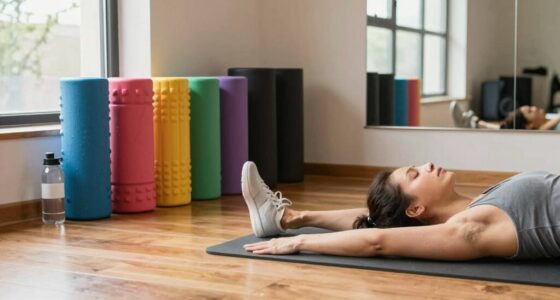
To use mobility work without turning it into a second workout, keep sessions brief—about 5 to 10 minutes—and focus on purposeful, controlled movements. Incorporate dynamic stretching exercises like leg swings or arm circles before your main workout, combined with deep, calm breathing to relax your nervous system. Avoid overexerting yourself and prioritize quality over quantity. Balancing mobility with your training guarantees you stay energized and injury-free—there’s more to access for effective, efficient routines.

Get workout gear delivered free with Prime
- Fast, free delivery on millions of items
- Prime Video, Amazon Music and more included
- Member-only deals all year
Key Takeaways
- Keep mobility sessions brief, around 5-10 minutes, to prevent fatigue and avoid turning it into a full workout.
- Focus on controlled, deliberate movements rather than pushing limits or overexerting.
- Incorporate mobility work as warm-up or cool-down to enhance performance without additional strain.
- Use dynamic stretching with proper breathing techniques to maximize benefits efficiently.
- Balance mobility exercises with your main training to support recovery and flexibility goals without overloading.
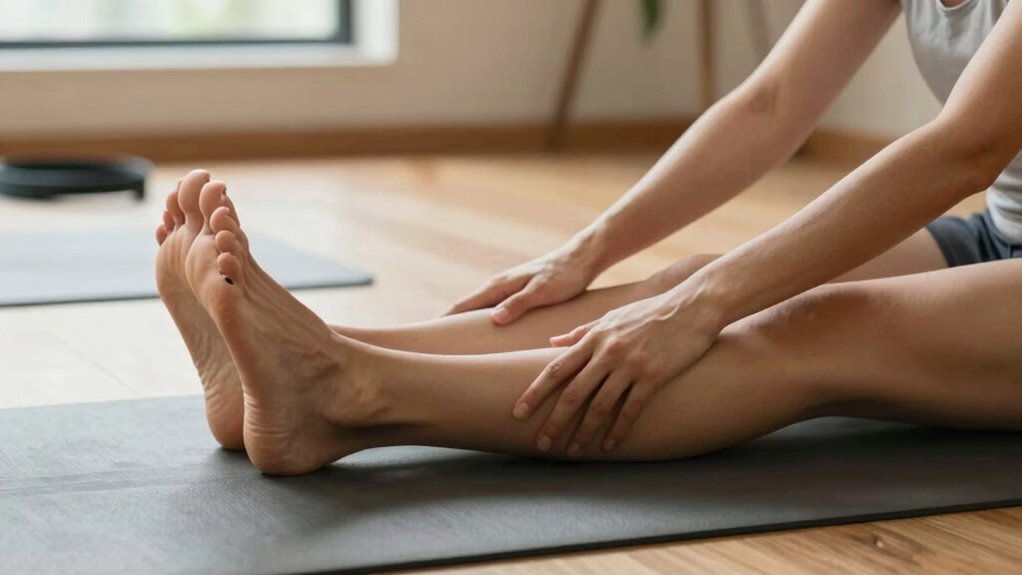
Are you ready to improve your flexibility and reduce muscle tension? If so, integrating mobility work into your routine can make a big difference. But the key is to do it correctly so it doesn’t turn into a second workout that leaves you fatigued before your actual training. One effective way to achieve this is by focusing on dynamic stretching combined with proper breathing techniques. These tools help loosen up your muscles and joints without overexerting yourself, ensuring you stay energized for your main workout.
Start with dynamic stretching, which involves movement-based stretches that mimic the motions you’ll perform during exercise. Instead of holding a stretch for a long time, move through a range of motion gently and continuously. For example, leg swings, arm circles, or hip circles activate your muscles and joints, increasing blood flow and mobility. This type of stretching is ideal for warming up because it prepares your body for activity without draining your energy reserves. Keep the movements controlled and avoid bouncing or forcing your body into uncomfortable positions. The goal is to gently increase your range of motion, not push past your limits. Incorporating mobility exercises can also support your overall flexibility goals and prevent injuries. Additionally, maintaining good joint health through regular mobility work can enhance your overall movement quality and longevity.
Dynamic stretching involves gentle, continuous movements like leg swings and arm circles to activate muscles and increase mobility.
Pair your dynamic stretching with breathing techniques to enhance the effectiveness of your mobility work. Deep, controlled breaths help relax your nervous system and reduce muscle tension. As you move through each stretch, focus on inhaling deeply through your nose, filling your lungs completely, then exhaling slowly through your mouth or nose. This breathing pattern helps oxygenate your muscles and keeps your nervous system calm, so you don’t activate the stress response. When you breathe intentionally, you also improve your focus and body awareness, making each movement more deliberate and effective. Using proper breathing techniques during these movements can also help optimize your recovery and enhance your overall mobility training outcomes.
To prevent mobility work from becoming a second workout, keep your sessions brief—around 5 to 10 minutes—just enough to loosen up without fatiguing yourself. Use dynamic stretching as a quick prep before intense training or as a cool-down to help your muscles recover and stay supple. Incorporate breathing techniques throughout, making each movement purposeful and controlled. This approach ensures you’re optimizing your flexibility and mobility, rather than tiring yourself out or diminishing your energy levels for the main workout.
dynamic stretching exercise equipment
As an affiliate, we earn on qualifying purchases.
As an affiliate, we earn on qualifying purchases.
Frequently Asked Questions
Can Mobility Work Replace Stretching Routines Before Workouts?
Mobility work can effectively replace traditional stretching routines before workouts, as it offers more dynamic mobility benefits. Unlike stretching myths that suggest static stretching loosens muscles temporarily, mobility exercises improve joint function and range of motion, preparing your body better for activity. By incorporating mobility work, you activate muscles and joints more effectively, reducing injury risk and enhancing performance, making it a smarter alternative to static stretching before your workout.
How Often Should I Incorporate Mobility Work Into My Weekly Schedule?
You should incorporate mobility work into your weekly schedule at least 3-4 times, starting with a quick mobility assessment to identify tight areas. Use dynamic warm-ups before workouts to maximize flexibility without overdoing it. Don’t worry about turning it into a second workout—integrate short mobility sessions into your warm-ups or cool-downs. Consistency is key; regular practice helps improve movement quality and prevents injuries efficiently.
Is Mobility Work Suitable for All Fitness Levels?
Mobility work is suitable for all fitness levels because you can tailor it with progression techniques and customization options. Beginners can start with simple, gentle stretches, gradually increasing intensity as they improve. Advanced individuals can incorporate more complex movements or longer holds. By customizing your routine and gradually progressing, you guarantee mobility work remains effective and safe, supporting your unique fitness journey without feeling overwhelming or like a second workout.
What Equipment Is Needed for Effective Mobility Exercises?
You don’t need much equipment for effective mobility exercises—just a foam roller and space for dynamic stretching. Foam rolling helps release muscle tension, while dynamic stretching prepares your joints for movement. These tools are versatile, simple, and can be used anywhere. Incorporate them into your routine to boost flexibility without turning mobility work into a second workout. They’re essential for maintaining mobility and preventing injury.
How Long Should Each Mobility Session Last?
You should aim for mobility sessions lasting about 10 to 15 minutes each, focusing on quality rather than quantity. Duration planning helps prevent overdoing it, so keep sessions short and consistent. Incorporate mobility work 3 to 5 times a week, adjusting based on your progress and recovery. This way, you enhance flexibility without turning your mobility routines into a second workout, maintaining a balanced, effective approach.
As an affiliate, we earn on qualifying purchases.
Conclusion
Think of mobility work as the gentle breeze that keeps your body sailing smoothly, not the storm that rocks your boat. When you incorporate it wisely, it becomes your secret weapon—enhancing movement without draining your energy. Keep it light, intentional, and seamless, like a dance that flows effortlessly. Soon, you’ll find your body whispering gratitude, moving with the grace of a leaf on water—strong, flexible, and ready for anything that comes your way.
As an affiliate, we earn on qualifying purchases.
stretching strap for flexibility
As an affiliate, we earn on qualifying purchases.
As an affiliate, we earn on qualifying purchases.
Halloween Picks
halloween
As an affiliate, we earn on qualifying purchases.