

To pace your intervals on a rower, start with a realistic goal and establish a steady baseline during warm-up. Use your body’s cues—monitor your breathing, form, and effort—to avoid overexertion early on. Incorporate active recovery and focus on technique, especially during rest periods, to conserve energy. Keeping an eye on your heart rate zones helps balance effort and recovery. Want tips on refining your pacing and building endurance more effectively?
Key Takeaways
- Establish a realistic baseline during warm-up to guide your pacing for subsequent intervals.
- Use heart rate zones to maintain effort within sustainable levels, preventing early fatigue.
- Incorporate short active recovery periods to recover and maintain technique between high-intensity efforts.
- Focus on proper technique, especially core engagement and consistent stroke rate, to conserve energy.
- Listen to your body, adjusting effort when signs of strain or technique decline appear.

Pacing intervals on a rower is essential for maximizing your workout and improving your endurance. If you jump in without a clear plan, you risk burning out early and not reaching your training goals. To avoid blowing up in the first round, you need to master how to pace yourself during intervals, focusing on recovery strategies and technique optimization. Proper pacing allows you to sustain effort throughout your workout, pushing your limits without overexerting.
Start by establishing a realistic baseline for your rowing intensity. During your initial warm-up, get a feel for your current fitness level and how your body responds to different intensities. Once you’re ready to begin the intervals, remember that recovery is just as important as the work phase. Instead of stopping completely, use active recovery—light rowing at a very easy pace—to help your heart rate gradually come down. This strategy prevents fatigue from building up too quickly and keeps you ready for the next hard effort.
Technique optimization plays a significant role in pacing intervals effectively. Focus on maintaining proper form throughout your workout. Keep your core engaged, drive with your legs, and pull with your arms efficiently. When your technique deteriorates, you tend to waste energy and fatigue faster. By staying consistent with your form, you conserve energy and can better control your intensity, ensuring you don’t go all-out too soon. This approach helps you pace yourself better and prevents premature exhaustion. Additionally, paying attention to your stroke rate can help you keep your effort within optimal ranges for endurance and power. Developing your breathing technique can further enhance your ability to sustain effort and stay relaxed during high-intensity phases.
Another key to successful interval pacing is listening to your body. Pay attention to how you feel during each phase—if your breathing becomes strained or your form starts to slip, it’s a sign you need to back off slightly. Don’t be tempted to push through discomfort at the expense of technique. Instead, adjust your effort and recovery to keep a sustainable rhythm. Incorporating body awareness into your training enhances your ability to judge your effort more accurately and avoid overexertion. Over time, your body will adapt, and you’ll learn to judge your effort more accurately.
Incorporate short, targeted recovery periods into your training, especially after high-intensity intervals. These recovery breaks give your muscles a chance to recover and your cardiovascular system a moment to stabilize. Combining recovery strategies with technique optimization helps you avoid the common mistake of overdoing it in the first round. This way, you’ll build endurance gradually, improve your pacing skills, and prevent burnout.
Additionally, understanding your heart rate zones can give you precise guidance on how hard you should be working during different phases of your workout. In the end, pacing intervals on a rower isn’t about going all-out from the start. It’s about balancing effort and recovery, refining your technique, and listening to your body. With these strategies, you’ll enhance your performance, extend your stamina, and enjoy more effective, injury-free workouts.

Rowing Machine Counter Monitor, Replacement Timer with Mileage Heart Rate Distance Display, 13cmx11.6cmx3.3cm (5.1×4.6×1.3 in)
- Multifunctional Display: Shows time, RPM, mileage, calories, wattage, heart rate
- Universal Compatibility: Fits indoor bikes, treadmills, fan bikes, rowing machines
- Easy to Install: Lightweight, compact design with simple button operation
As an affiliate, we earn on qualifying purchases.
As an affiliate, we earn on qualifying purchases.
Frequently Asked Questions
How Do I Determine My Ideal Interval Rest Period?
You determine your ideal interval rest period through trial and error, focusing on interval timing and rest optimization. Start with a 1:1 work-to-rest ratio, then adjust based on your recovery and effort levels. If you feel overly fatigued, extend your rest; if you recover quickly, shorten it. Keep track of your performance, and refine your rest periods to maintain consistent intensity without risking burnout.
What Signals Indicate I’m Pushing Too Hard?
You’ll know you’re pushing too hard when your heart rate spikes well above your target zone, making it hard to recover during rest periods. Signs include heavy breathing, muscle fatigue, and losing good pacing control. To avoid this, use pacing strategies that keep your heart rate steady and manageable. Pay attention to how you feel—if your breathing becomes labored or your form suffers, scale back your effort to stay within safe limits.
How Can I Improve Endurance for Longer Intervals?
To improve endurance for longer intervals, incorporate cross-training benefits like cycling or swimming to build overall stamina without overloading your rowing muscles. Focus on nutrition strategies by fueling with complex carbs and staying hydrated to sustain energy levels. Gradually increase interval duration, listen to your body, and make certain of proper recovery. Consistent training combined with smart nutrition and cross-training helps you push through longer sessions without burning out early.
Should I Vary Interval Lengths Regularly?
Yes, you should vary interval lengths regularly. Mixing up your interval consistency keeps your training fresh and challenges different energy systems. Incorporate pacing strategies tailored to each interval duration, gradually increasing intensity or duration as you progress. This approach prevents plateaus, builds endurance, and improves overall performance. By alternating longer and shorter intervals, you develop better pacing awareness and avoid burnout, ensuring steady progress in your rowing workouts.
What’s the Best Way to Recover Between High-Intensity Sets?
To recover effectively between high-intensity sets, focus on active recovery like light rowing or stretching to keep your muscles engaged without overtaxing them. Incorporate cross-training strategies to boost overall endurance and mental resilience, helping you push through tough intervals. Stay disciplined with your breathing, and avoid rushing recovery, giving your body time to reset. Consistent, mindful recovery guarantees you maintain intensity without burning out early.
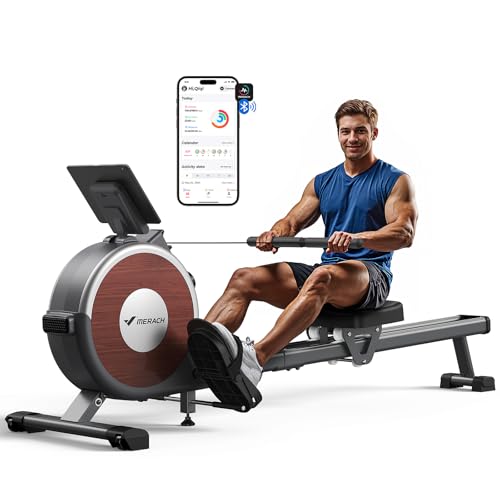
Merach Rowing Machine, Magnetic Rower Machine for Home, 16 Levels of Quiet Resistance, Dual Slide Rail with Max 350lb Weight Capacity, App Compatible with LCD Monitor, Q1S
- App Compatibility: Includes Merach and KINOMAP apps
- Workout Data Tracking: Displays distance, time, calories, and more
- Quiet Magnetic Resistance: Smooth, silent rowing experience
As an affiliate, we earn on qualifying purchases.
As an affiliate, we earn on qualifying purchases.
Conclusion
Pacing your intervals on a rower is like steering a ship through calm yet unpredictable waters—you need a steady hand and a keen eye on the horizon. By listening to your body and respecting your limits, you’ll avoid the storms of burnout and sail smoothly through each session. Remember, patience is your compass. With practice, you’ll find your rhythm, turning each row into a graceful dance rather than a frantic sprint, charting a course to strength and endurance.

The Rowing Standard: A Practical Guide to Technique, Training, and Coaching
As an affiliate, we earn on qualifying purchases.
As an affiliate, we earn on qualifying purchases.
Merach Rowing Machine, Magnetic Rower Machine for Home, 16 Levels of Quiet Resistance, Dual Slide Rail with Max 350lb Weight Capacity, App Compatible with LCD Monitor, Q1S
- App Compatibility: Includes Merach and KINOMAP apps
- Workout Data Tracking: Displays distance, time, calories, and more
- Quiet Magnetic Resistance: Smooth, silent rowing experience
As an affiliate, we earn on qualifying purchases.
As an affiliate, we earn on qualifying purchases.