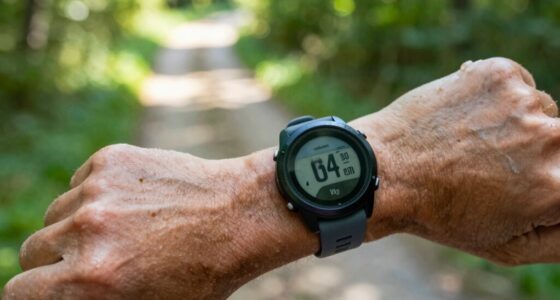
To use your RHR trends effectively, focus on long-term averages rather than daily changes. Avoid fixating on small fluctuations caused by stress, hydration, or sleep variations. Instead, look for gradual patterns over weeks or months, like steady decreases that show improved fitness. Recognize sudden spikes as signs to review your habits, not panic. By maintaining this balanced view, you’ll gain clearer insights into your health—keep exploring to learn how to fine-tune your approach further.

Get workout gear delivered free — and shop member deals
- Fast, free delivery on millions of items
- Access to Prime Big Deal Days deals on October 6–7
- Prime Video, Amazon Music and more included
Key Takeaways
- Focus on weekly or monthly averages instead of daily RHR fluctuations to identify true trends.
- Recognize that minor daily variations are normal and do not indicate significant health changes.
- Look for sustained, significant changes over time rather than reacting to short-term spikes.
- Combine RHR data with other health indicators for a comprehensive view, avoiding overinterpretation.
- Practice patience and rational analysis, understanding that long-term patterns are more meaningful than daily noise.
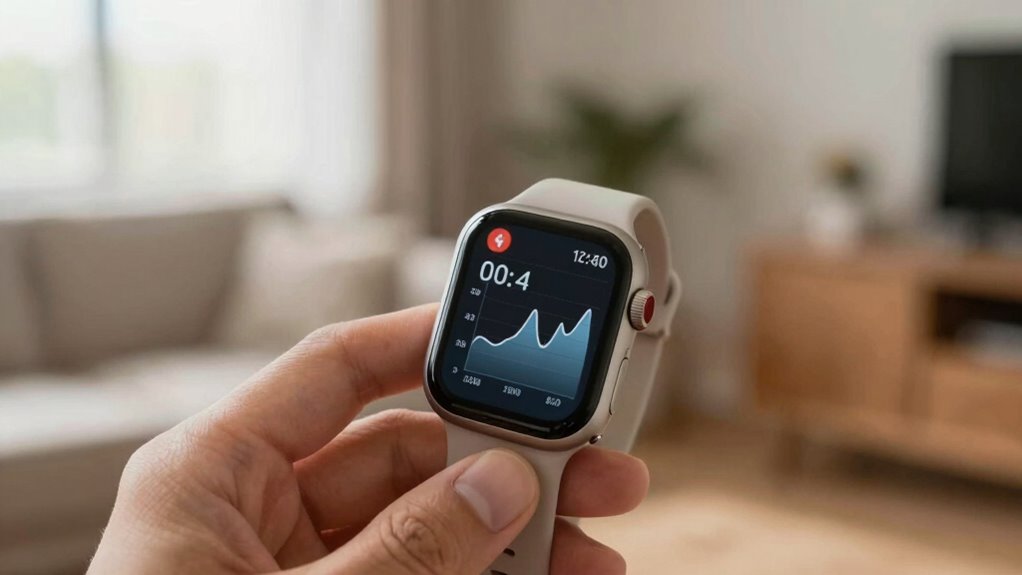
Tracking your resting heart rate (RHR) can provide valuable insights into your overall health and fitness. When you monitor your RHR regularly, you get a clearer picture of how your body responds to various factors like stress, sleep, and activity levels. But it’s important not to get caught up in daily fluctuations, which can be influenced by things like sleep quality or hydration levels. Instead, focus on long-term trends to truly understand what your RHR is telling you about your health.
Monitoring your RHR reveals long-term health trends beyond daily fluctuations.
Your sleep quality plays a significant role in your resting heart rate. When you sleep well, your body recovers better, and your RHR tends to be lower and more stable. Conversely, poor sleep or inconsistent sleep patterns can cause temporary increases in your RHR. If you notice a spike in your resting heart rate, consider whether your sleep habits have changed recently—maybe you’re sleeping less or experiencing more disruptions. Over time, tracking these patterns can help you identify how your sleep quality impacts your heart health and fitness levels, allowing you to make adjustments to improve both. Monitoring your heart rate trends over time can also help you detect early signs of health issues before symptoms appear. Developing a consistent routine for tracking your data can enhance your ability to recognize meaningful changes. Recognizing the influence of various lifestyle factors on your RHR can deepen your understanding of your overall health.
Hydration levels are another factor that can influence your RHR. Dehydration can cause your heart to work harder to circulate blood, which may result in a slightly elevated resting heart rate. If you’re dehydrated, you might see your RHR rise unexpectedly, but it should return to normal once you rehydrate properly. Consistently tracking your RHR can help you recognize these fluctuations and understand how hydration affects your overall cardiovascular health. It also encourages you to stay mindful of your fluid intake, especially during hot weather or intense workouts. Recognizing these patterns can empower you to take proactive steps toward maintaining optimal hydration and health. Additionally, understanding the impact of lifestyle factors on your RHR can motivate you to adopt healthier habits. Regularly reviewing your data can also reveal patterns related to exercise routines, supporting your fitness progress.
When interpreting your RHR trends, don’t obsess over daily noise or minor variances. Instead, look at the bigger picture—weekly or monthly averages—so you can identify genuine changes that warrant attention. A sudden, sustained increase might signal overtraining, stress, illness, or dehydration, while a gradual decrease over time could indicate improved fitness. Remember, your RHR is just one piece of the puzzle; combine it with other indicators like sleep quality, hydration, and overall well-being for a more holistic view of your health. Embracing this balanced approach aligns with broader Stoic principles of patience and rational observation, helping you cultivate resilience and clarity in your health journey. Paying attention to long-term health trends can help you make more informed and less reactive decisions about your wellness.
As an affiliate, we earn on qualifying purchases.
Frequently Asked Questions
How Often Should I Measure My Resting Heart Rate?
You should measure your resting heart rate once every morning, ideally at the same time and under similar conditions. This consistency helps track trends related to your exercise routine and hydration levels. Avoid obsessing over daily fluctuations; instead, focus on weekly patterns. Regular measurements allow you to see how your body responds to exercise consistency and hydration, giving you valuable insights without overanalyzing minor changes.
Can Medication Affect My Resting Heart Rate Readings?
Medication effects can definitely influence your resting heart rate, like a switch that alters the rhythm of a song. Some medications cause heart rate changes, making it higher or lower than usual. If you’re on medication, it’s essential to understand how it impacts your readings. Always consult your healthcare provider for guidance, and track your trends over time to distinguish medication effects from other health factors.
What Is Considered a Healthy Resting Heart Rate Range?
A healthy resting heart rate generally falls between 60 and 100 beats per minute, but athletes or fit individuals might have lower rates. Keep an eye on heart rate variability, which shows your body’s adaptability. Use fitness benchmarks to track progress over time, rather than stressing over daily fluctuations. By focusing on trends, you can better understand your health without obsessing over minor daily noise in your readings.
How Do Stress and Sleep Impact Resting Heart Rate Trends?
Ironically, stress impact and sleep influence your resting heart rate more than you might think. When you’re stressed, your heart races, signaling your body to prepare for action—though often, there’s no real threat. Poor sleep similarly elevates your resting heart rate, making it harder to see true trends. Pay attention to these factors, and you’ll get a clearer picture of your health without obsessing over daily fluctuations.
Should I Be Concerned if My Resting Heart Rate Fluctuates Daily?
You shouldn’t be overly concerned if your resting heart rate fluctuates daily, as some variation is normal. Focus on overall patterns rather than daily fluctuations, and consider heart rate variability (HRV) as a better indicator of your health. Consistent trends over weeks matter more than isolated changes. If your HRV decreases markedly or sustained changes occur, it might be worth consulting a healthcare professional for further insights.
As an affiliate, we earn on qualifying purchases.
Conclusion
Remember, steady progress beats chasing daily fluctuations. By paying attention to your resting heart rate trends without obsessing over every noise, you gain valuable insights into your health and recovery. Keep a balanced perspective, and don’t let small changes derail your motivation. As the saying goes, “Slow and steady wins the race.” Trust the bigger picture, stay consistent, and you’ll see meaningful improvements over time. Your health journey is a marathon, not a sprint.
As an affiliate, we earn on qualifying purchases.
As an affiliate, we earn on qualifying purchases.
Fall Picks
fall essentials
As an affiliate, we earn on qualifying purchases.