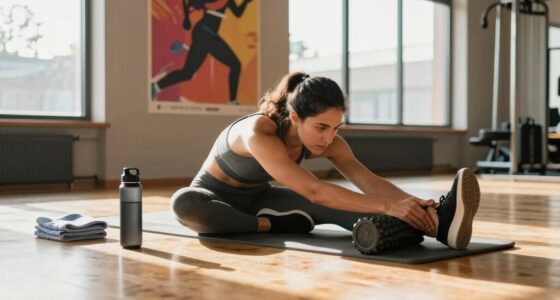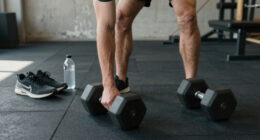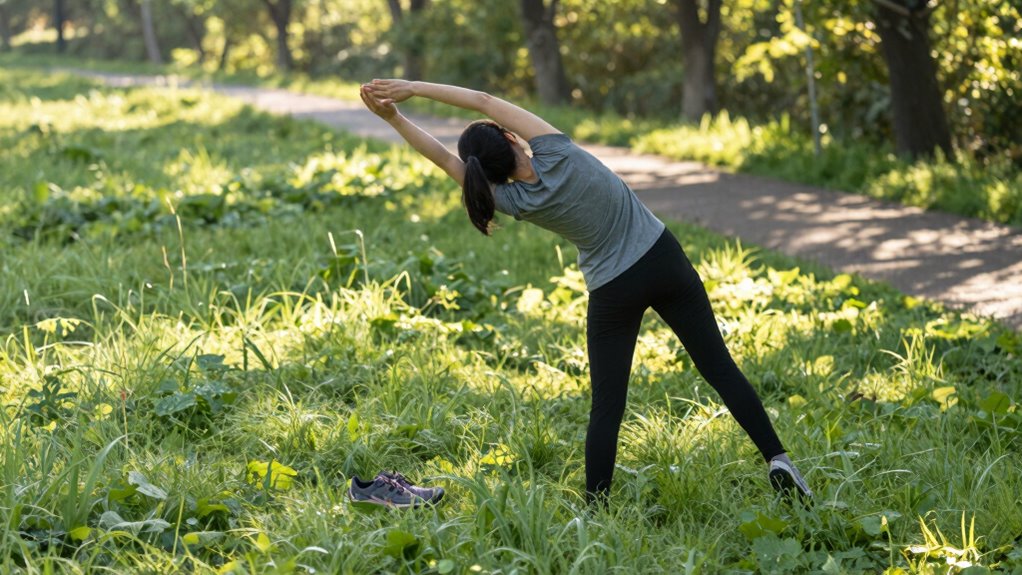

On sore days, you should stick to gentle walking, stretching, and light mobility exercises to support recovery. Take slow walks around your block or your home to boost blood flow and ease stiffness. Incorporate gentle stretches, holding each for 15-30 seconds, focusing on tight muscles and relaxing your breath. Engage in mild mobility movements to keep joints flexible without overexerting. Keep this active approach consistent; it helps prevent setbacks and speeds up healing, so discover more ways to recover effectively.

Get workout gear delivered free with Prime
- Fast, free delivery on millions of items
- Prime Video, Amazon Music and more included
- Member-only deals all year
Key Takeaways
- Engage in slow, gentle walking to promote circulation without overexertion.
- Perform controlled stretches targeting tight muscles, holding each for 15-30 seconds.
- Incorporate light mobility exercises to maintain joint flexibility and reduce stiffness.
- Focus on deep breathing during movement to enhance relaxation and muscle recovery.
- Stay hydrated to support tissue repair and prevent dehydration-related soreness.
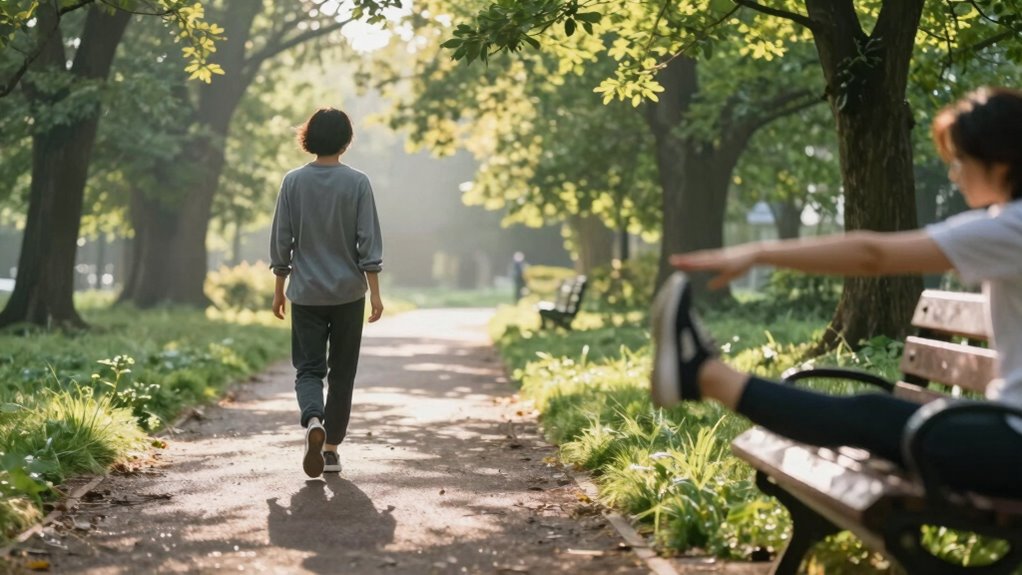
On days when your muscles feel sore, it might be tempting to rest completely, but gentle movement can actually aid recovery. When you engage in light walking, stretching, or mobility exercises, you promote blood flow, which helps deliver essential nutrients and oxygen to your muscles. This process supports deep tissue recovery, reducing stiffness and preventing lingering soreness. Instead of pushing yourself hard, focus on easy, deliberate movements that keep your muscles active without causing additional strain. Walking around the block or around your home stimulates circulation and keeps your joints limber, making it easier for your body to heal. Incorporating active recovery strategies like these can enhance your overall progress and prevent setbacks. Hydration strategies are equally crucial on sore days. Drinking plenty of water helps flush out metabolic waste products that accumulate during exercise, which can contribute to soreness. Proper hydration also maintains your muscle elasticity, reducing the risk of cramps and strains. To optimize recovery, consider adding electrolyte-rich drinks or coconut water, especially if you’ve been sweating heavily or if soreness is intense. Staying well-hydrated supports your body’s natural repair processes and helps prevent dehydration, which can make soreness worse. Including hydration as part of your recovery routine ensures your muscles stay well-nourished and prepared for future activity. Involving gentle stretching into your routine can further enhance your recovery. Focus on slow, controlled stretches that target the muscles feeling tight or tense. Avoid bouncing or overstretching, as that can aggravate soreness or cause injury. Instead, hold each stretch for 15 to 30 seconds, breathing deeply to relax your muscles. Stretching increases flexibility, relieves muscle tension, and improves overall mobility, making your subsequent workouts more comfortable. Light mobility exercises, such as gentle yoga poses or simple dynamic movements, can also be beneficial. These activities keep your joints functioning smoothly and prevent stiffness from setting in. You don’t need to do intense sessions; just enough to keep your body moving without overexerting yourself. This approach encourages your body to recover more quickly and prepares you for future workouts.
gentle walking shoes for sore muscles
As an affiliate, we earn on qualifying purchases.
As an affiliate, we earn on qualifying purchases.
Frequently Asked Questions
Can Walking Help Reduce Muscle Soreness Effectively?
Yes, walking can help reduce muscle soreness effectively. It promotes muscle recovery by increasing blood flow, which delivers essential nutrients and oxygen to sore muscles. Additionally, gentle walking can aid in injury prevention by preventing stiffness and maintaining mobility. However, keep the pace light and listen to your body; if soreness worsens, give yourself more rest. Walking is a simple, low-impact way to support your recovery process.
What Are the Best Stretches for Sore Muscles?
Think of your muscles as delicate threads needing gentle unraveling. The best stretches for sore muscles focus on muscle relaxation and include gentle hamstring, quadriceps, and calf stretches. Incorporate stretching techniques like slow, controlled movements to ease tension without overstretching. Hold each stretch for 20-30 seconds, breathe deeply, and listen to your body. These stretches help reduce soreness, promote flexibility, and improve blood flow for quicker recovery.
How Long Should Light Mobility Exercises Last?
For recovery strategies, aim for light mobility exercises lasting about 10 to 15 minutes. This exercise duration helps you stay active without overexerting sore muscles. Keep the pace gentle, focusing on fluid movements like walking or stretching. Listening to your body is essential; if you feel discomfort, reduce the intensity or duration. Consistent, short sessions promote blood flow, aiding muscle recovery without risking further soreness.
Is It Better to Rest Completely or Stay Active on Sore Days?
Think of your body as a garden; sometimes, you need to give it rest, and other times, gentle watering helps it thrive. On sore days, staying active with light walking or stretching aids recovery without overburdening your muscles. Prioritize recovery nutrition and sleep optimization to heal faster. Rest completely if pain worsens, but otherwise, gentle movement keeps your garden healthy, fostering growth and resilience.
Are There Any Signs That Indicate I Should Avoid Mobility Exercises?
If you notice sharp pain, swelling, or increased soreness during mobility exercises, stop immediately. These are signs of overexertion warnings and injury risk factors that indicate you should avoid further activity. Feeling dizzy, lightheaded, or experiencing joint instability also signals you need to rest. Listen to your body, and if symptoms persist, consult a healthcare professional. Prioritize gentle movements that don’t push your limits to prevent setbacks.
stretching straps for flexibility
As an affiliate, we earn on qualifying purchases.
As an affiliate, we earn on qualifying purchases.
Conclusion
On those sore days, think of walking, stretching, and light mobility as your gentle tide, washing away stiffness and bringing new life to tired muscles. By moving just enough, you keep the engine running smoothly without pushing too hard—like a delicate dance that keeps you balanced. Embrace these simple acts as your loyal allies, turning soreness into strength and making recovery feel less like a hurdle and more like a stepping stone to better days ahead.
light mobility exercise equipment
As an affiliate, we earn on qualifying purchases.
As an affiliate, we earn on qualifying purchases.
As an affiliate, we earn on qualifying purchases.
Fall Picks
fall essentials
As an affiliate, we earn on qualifying purchases.