
TL;DR
A Fit&Well report describes yoga nidra, a guided relaxation practice performed lying down or seated, and says its author recommends it to clients seeking better sleep. The report cites research on relaxation and sleep-like brain activity, but does not provide study details or establish that the practice treats sleep disorders.
Fit&Well has published a yoga therapist’s account of recommending yoga nidra, a guided relaxation practice, to clients seeking better sleep. The report describes the practice and cites research suggesting sleep-related effects, but the supplied material does not identify specific studies or show that yoga nidra is a proven treatment for insomnia.

Get workout gear delivered free with Prime
- Fast, free delivery on millions of items
- Prime Video, Amazon Music and more included
- Member-only deals all year
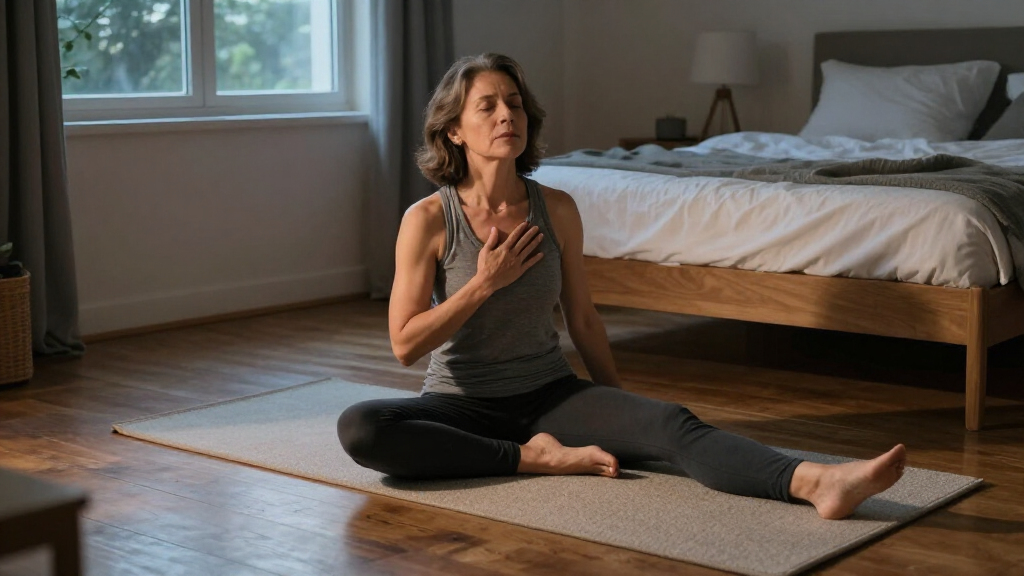
The Fit&Well contributor says she has practiced yoga nidra for almost 20 years and now uses it in her yoga therapy work. She describes it as a practice without movement, usually done lying down, though it can also be done seated. The practitioner follows verbal guidance while the body rests; the mind may remain aware of the instructions, though falling asleep is also possible.
The report distinguishes yoga nidra from meditation: rather than concentrating on a particular point, participants are guided through relaxation. It recommends guided audio from a trained teacher, particularly for elements such as rotating awareness through the body and visualization. Short sessions may last 10 to 20 minutes, while longer practices can run 30 to 45 minutes.
According to the report, research has found that yoga nidra can gradually shift brain activity toward a state resembling deep, non-REM sleep and can activate the parasympathetic nervous system. The article also says the practice may lower heart rate, breathing rate and blood pressure. These claims are not accompanied in the supplied source by study names, sample sizes or measurements, so their scope cannot be independently assessed from the material provided.
A Low-Movement Route to Relaxation
Yoga nidra may appeal to people who find movement-based yoga difficult or who want a structured period of rest. The report notes that the contributor uses seated practice in classes for people with Parkinson’s, illustrating that the format can be adapted rather than requiring participants to lie on the floor.
For readers considering it as part of a bedtime routine, the article offers a practical qualification: some sessions may leave people feeling refreshed. The contributor suggests trying a practice earlier in the evening instead of immediately before bed. That is an individual recommendation, not a guarantee about how every participant will respond.
The distinction between relaxation support and medical treatment matters. The source presents yoga nidra as a way to rest and potentially support sleep; it does not establish that the practice resolves persistent sleep problems or replaces care from a health professional.
Products Worth Considering

Therabody JetBoots Prime Wireless Compression Boots, Regular, 30–34 in Inseam

Garmin Forerunner 55 GPS Running Watch with Daily Suggested Workouts, White

Levoit Core 600S-P Smart Air Purifier for Large Rooms
As an affiliate, we earn on qualifying purchases.
From Bihar School to Home Audio
The report says yoga nidra is an older yoga practice whose name translates from Sanskrit as “yogic sleep.” It credits Swami Satyananda at the Bihar School with bringing the practice into wider attention in the 1960s. The article says the practice is now regularly researched in sleep studies, though it does not cite particular investigations.
For beginners, the contributor recommends starting with a short guided session, including a 10-minute relaxation practice or a 12-minute introduction, before trying a classical practice of about 30 minutes. The report also names iRest, developed by Dr. Richard Miller, as another approach. These are options described by the source, not endorsements or evidence that one format works better than another.
Practical preparation can be simple: lie on the back in savasana or sit comfortably, and use a cushion, blanket, bolster or eye mask if helpful. The report says body temperature can fall slightly while lying still, so a blanket may make the session more comfortable.
““I’ve been practicing yoga nidra for almost 20 years and now use it in my yoga therapy work.””
— Fit&Well report author, a yoga therapist
Evidence and Safety Questions
The supplied report does not name the studies behind its statements about brain activity, the parasympathetic system, or changes in heart rate, breathing and blood pressure. Their methods, participant groups and effect sizes are therefore unclear from this source. It also does not establish whether yoga nidra improves sleep for people with diagnosed insomnia or how lasting any effects may be.
The article says the practice is suitable for most people, but advises against it for people living with PTSD, psychosis or an unstable mental condition unless they first seek advice from a trained practitioner. It does not specify how suitability should be assessed for other health conditions. Readers with persistent sleep difficulties or relevant mental health concerns should seek advice from a qualified health professional rather than relying on a relaxation recording alone.
How Beginners Can Try It
The report’s next step for newcomers is to choose a short, guided session and find a comfortable position, lying down or seated. A blanket or support under the knees may help with comfort. The contributor advises using a trained teacher’s recording for the guided stages and trying the practice earlier in the evening if it feels energizing.
No clinical milestone, new study or follow-up announcement is identified in the source. What remains to be established from the supplied material is how strong the research evidence is and which people are most likely to benefit. People whose sleep problems persist should discuss them with a health professional.
Key Questions
What is yoga nidra?
Yoga nidra is guided relaxation, usually practiced lying down or seated without movement. The participant listens to instructions while the body rests; remaining aware is possible, but falling asleep is also acceptable.
Does yoga nidra treat insomnia?
The Fit&Well report describes research suggesting sleep-related effects, but the supplied source gives no study details and does not establish yoga nidra as a treatment for insomnia. It should not replace professional care for ongoing sleep problems.
How long should a beginner practice?
The report suggests starting with a 10- to 12-minute guided session. It also describes longer options lasting 30 to 45 minutes, but does not say that longer sessions are more effective.
Is yoga nidra safe for everyone?
The source says it is suitable for most people but advises those living with PTSD, psychosis or an unstable mental condition to seek advice from a trained practitioner first. People with health concerns should seek appropriate professional guidance.
When should I practice yoga nidra?
The contributor suggests trying it earlier in the evening if a session leaves you feeling refreshed, rather than assuming it will help immediately before bed. Individual responses may differ.
Source: fitandwell.com