
TL;DR

Get workout gear delivered free with Prime
- Fast, free delivery on millions of items
- Prime Video, Amazon Music and more included
- Member-only deals all year
A Fit&Well report describes how its writer used step-ups and Bulgarian split squats as year-round training before hiking to a 5,889-foot summit in Albania’s Alps. The exercises can be scaled from bodyweight movements to weighted versions, but the report is a personal account, not evidence that they guarantee easier or safer hiking.
A Fit&Well writer says year-round practice of step-ups and Bulgarian split squats helped them feel steady while hiking to a 5,889-foot (1,795-meter) summit in Albania’s Alps. The account offers two examples of strength exercises walkers can adapt at home or in a gym, but it describes one person’s experience rather than proving the exercises prevent injuries or make every climb easier.
The writer said the hike was challenging but remained enjoyable, describing confidence while stepping over boulders and rocks and reporting no knee discomfort on the descent. They attributed that experience in part to doing single-leg exercises throughout the year. The report does not provide a training schedule, a comparison with other hikers, or evidence that the exercises alone led to the outcome.
The first exercise is the step-up. The report recommends doing 8–12 repetitions per side: stand in front of a stable box or chair, place one foot on it, then push through that foot to rise. Bring the other foot onto the platform, or keep it hovering for a harder variation, and lower with control. A lower surface can make the movement easier; a higher surface or a weight held at the chest can add difficulty.
The second is the Bulgarian split squat, also suggested for 8–12 repetitions on each side. With the top of one foot resting on a bench or chair behind, bend the front knee to lower, keeping that knee above the ankle, then push through the front foot to stand. The report says both exercises work the hips, hamstrings, quadriceps and glutes while challenging core stability. It recommends adding weights only to increase the exercise’s difficulty.
Strength Work for Steeper Trails
Uphill walking repeatedly requires the legs to lift and support the body, while uneven trails call for balance and controlled foot placement. The report’s practical point is that single-leg strength exercises can be added to a routine without specialist equipment: a sturdy chair or step may be enough to begin. Because the exercises can be adjusted by changing the step height or adding resistance, walkers can choose a version suited to their current ability.
That makes the account relevant to people who have limited access to hills during the week, like the writer, who lives in London. Still, the story is not a training trial or a universal prescription. Fitness, terrain, footwear, pace and other factors also affect a hike. Readers should treat the exercises as possible preparation, not a guarantee of comfort, performance or injury prevention.
Products Worth Considering

BowFlex Results Series SelectTech Adjustable Dumbbells (Pair)

Bowflex SelectTech 840 Adjustable Kettlebell

Oral-B iO Series 9 Limited Rechargeable Electric Toothbrush with 7 Cleaning Modes
As an affiliate, we earn on qualifying purchases.
From London Training to Albania
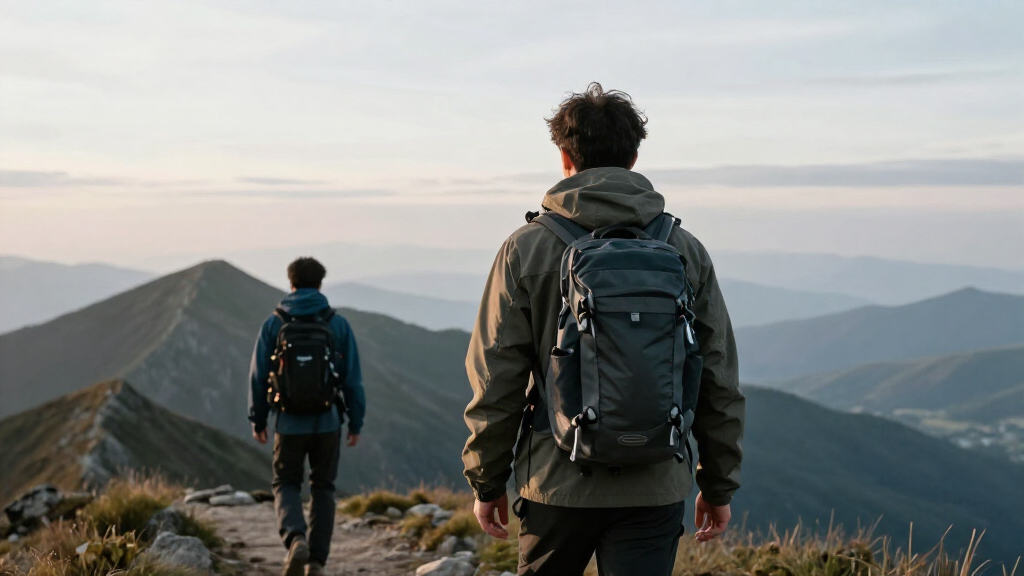
The writer said living in London limits access to challenging terrain, so they make trips farther afield several times a year. During a trip to the Albanian Alps, they reached a summit at 5,889 feet (1,795 meters). The report does not name the summit or give the hike’s distance, elevation gain, duration or trail conditions.
The exercises were already part of the writer’s routine before the trip. They said their coach regularly includes them in a plan and that they also prescribe them to personal-training clients. The report describes the step-up as especially similar to the movement of climbing uphill when performed slowly and with control. Both movements can be done with bodyweight, then made harder with added load, according to the article.
What the Account Cannot Establish
The report does not show that either exercise caused the writer’s experience, nor does it compare hikers who did these movements with those who did not. It gives no details about the writer’s full training plan, how often they performed each exercise, how long they had trained, or the conditions on the descent. The summit is not identified by name, and the article does not report the hike’s route or difficulty rating.
It is also unclear how the exercises would suit someone with pain, an existing injury, balance limitations or other health concerns. The technique notes are general guidance from the report, not an individual assessment. Anyone unsure how to perform the movements or whether they are appropriate can seek advice from a qualified fitness professional or health-care provider.
How Walkers Can Apply the Advice
The report gives readers a starting point rather than a formal hiking plan: try 8–12 controlled repetitions per side of each movement, using a stable, low platform and bodyweight at first. Progress by adjusting the step height or adding a weight only when the movement feels manageable and can be performed with control. The article does not specify how many weekly sessions to do or how quickly to increase the load.
There is no follow-up study or further milestone announced in the source material. For walkers preparing for a particular route, the writer’s account can serve as an example of strength work to discuss with a trainer, while route-specific preparation and safe exercise technique remain individual considerations.
Key Questions
Which two exercises did the writer use?
The report names step-ups and Bulgarian split squats, both performed one side at a time.
How many repetitions does the report recommend?
It suggests 8–12 repetitions per side for each exercise. It does not prescribe a weekly schedule or a progression timetable.
Can the exercises be done at home?
According to the report, they can be done at home using a stable chair or platform. A lower step is described as an easier option for step-ups.
Do these exercises guarantee an easier hike or prevent knee problems?
No. The report records one writer’s experience and does not establish that the exercises guarantee easier hiking or prevent injuries. The writer said they had no knee niggles on that descent, but that is a personal account, not proof of a general effect.
Source: fitandwell.com