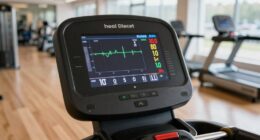

When comparing this month’s training to last month’s, focus on overall trends rather than daily fluctuations. Track progress in key areas like strength, endurance, or time improvements, and consider external factors like stress or sleep that could influence your results. Celebrate small wins while understanding that setbacks are normal. Keep an eye on long-term patterns, and if you continue exploring, you’ll discover ways to stay motivated and improve consistently.
Open a free Amazon Business account
Business pricing, bulk buying and tax-exempt orders.
As an affiliate, we earn on qualifying purchases.
Key Takeaways
- Focus on long-term trends and overall progress rather than isolated session fluctuations.
- Review performance metrics like strength, endurance, or time improvements over several weeks.
- Consider external factors (stress, sleep, schedule) that may influence temporary performance dips.
- Document training details and feelings to provide context for performance changes.
- Celebrate consistent growth and resist making impulsive changes based on short-term setbacks.

Comparing this month’s training to last month’s is essential for tracking your progress and making informed adjustments. It helps you identify patterns, measure improvements, and stay motivated. However, it’s important not to overreact to minor fluctuations or short-term setbacks. It’s also helpful to remember that inspirational quotes can serve as motivation during challenging times, reinforcing your commitment to your goals. The key is to look at your training consistency and performance metrics objectively, recognizing that progress isn’t always linear. Small dips or plateaus are normal and shouldn’t be mistaken for failure. Instead, they’re part of the journey toward achieving your goals.
When you compare your training, focus on your overall trends rather than isolated data points. Use performance metrics like strength gains, endurance levels, or time improvements to gauge your progress. These metrics give you tangible evidence of how your training is working. But remember, consistency plays a big role here. If your training has been consistent, even small improvements are meaningful. If you notice a decline, assess whether it’s due to external factors, like increased stress or lack of sleep, rather than jumping to conclusions about your effort or ability.
Avoid the trap of comparing yourself to others or expecting immediate results. Instead, measure your progress against your own baseline. This keeps you grounded and prevents unnecessary disappointment. When you review your data, look for patterns over several weeks rather than focusing solely on one or two sessions. For example, if your running time has improved steadily over the month, that’s a good sign. If it’s fluctuated, consider whether your training consistency was maintained. Fluctuations are natural, especially if your schedule or energy levels vary.
It’s also helpful to document your training details—what exercises you did, how you felt, and any external factors that affected your performance. This context helps you interpret your performance metrics more accurately. If you notice a slight decrease in performance, ask yourself if it’s temporary or part of a longer trend. Recognizing the importance of training consistency can help you better understand your progress and adapt your training accordingly. Avoid making impulsive changes based on one bad session or a minor setback. It’s important to recognize that performance metrics are just one part of the bigger picture, and external factors can influence your results more than you might realize. Incorporating self-assessment can help you better understand your progress and adapt your training accordingly. Instead, review your overall progress, celebrate your wins, and adjust your plan thoughtfully.
In essence, comparing your training month to month should be about understanding your growth, not obsessing over perfection. By focusing on training consistency and performance metrics, you gain a clearer picture of your progress. Keep the bigger picture in mind, and remember that resilience and persistence are the true indicators of success.
fitness progress tracking journal
As an affiliate, we earn on qualifying purchases.
As an affiliate, we earn on qualifying purchases.
Frequently Asked Questions
What Metrics Should I Focus on for Comparison?
You should focus on metrics like progress tracking, which shows how your strength or endurance improves over time, and data analysis to identify trends. Compare session duration, intensity, and consistency to see if you’re steadily progressing. Don’t just look at totals; consider quality and effort. This way, you get a clear picture of your training without overreacting, ensuring your progress feels motivating rather than overwhelming.
How Do I Account for Training Intensity Differences?
To account for training variability, focus on progress markers like consistency and recovery, not just raw volume or intensity. Adjust your comparison by considering how your effort levels varied—did you push harder or ease up? Track how your body responds to different intensities, and recognize that fluctuations are normal. This way, you can evaluate genuine progress without overreacting to temporary changes, keeping your perspective balanced and goal-oriented.
When Is It Necessary to Adjust My Training Plan?
When your progress tracking shows consistent stagnation or setbacks, it’s time to adjust your training plan. Think of it as tuning a musical instrument—small tweaks can bring harmony. If your goal setting feels off or you’re not moving toward your targets, reevaluate your approach. Adjustments are necessary when your efforts no longer align with your objectives, ensuring you stay on course and avoid hitting a false note in your fitness journey.
How Can External Factors Influence My Training Results?
External factors like nutrition impact and sleep quality can substantially influence your training results. Poor nutrition can lead to low energy and slower recovery, while inadequate sleep hampers muscle repair and performance. When evaluating your progress, consider these factors, as they might explain fluctuations. By maintaining proper nutrition and prioritizing quality sleep, you can optimize your training outcomes and avoid overreacting to short-term changes.
What Signs Indicate I’M Overtraining This Month?
Ever wonder if you’re pushing too hard? Signs of overtraining include persistent fatigue, decreased performance, and poor sleep quality. You might notice trouble recovering, increased soreness, or mood changes. Pay attention to recovery signals like lingering fatigue and disrupted sleep, which indicate your body needs a break. If these signs persist, it’s a clear sign you’re overtraining, and taking time to rest could help prevent injury and promote better progress.
performance metrics fitness tracker
As an affiliate, we earn on qualifying purchases.
As an affiliate, we earn on qualifying purchases.
Conclusion
By comparing your training month over month, you’ll see clear progress and areas for improvement. Did you know that runners who track their workouts increase their mileage by 20% more than those who don’t? Keep this in mind to stay motivated, but avoid overreacting to minor fluctuations. Celebrate small wins and adjust your plan thoughtfully. Remember, consistency beats intensity—so stay steady and trust your process for long-term success.
strength endurance measurement tools
As an affiliate, we earn on qualifying purchases.
As an affiliate, we earn on qualifying purchases.
As an affiliate, we earn on qualifying purchases.
Evergreen bestsellers Picks
bestsellers
As an affiliate, we earn on qualifying purchases.